Homemade Balsamic Glaze
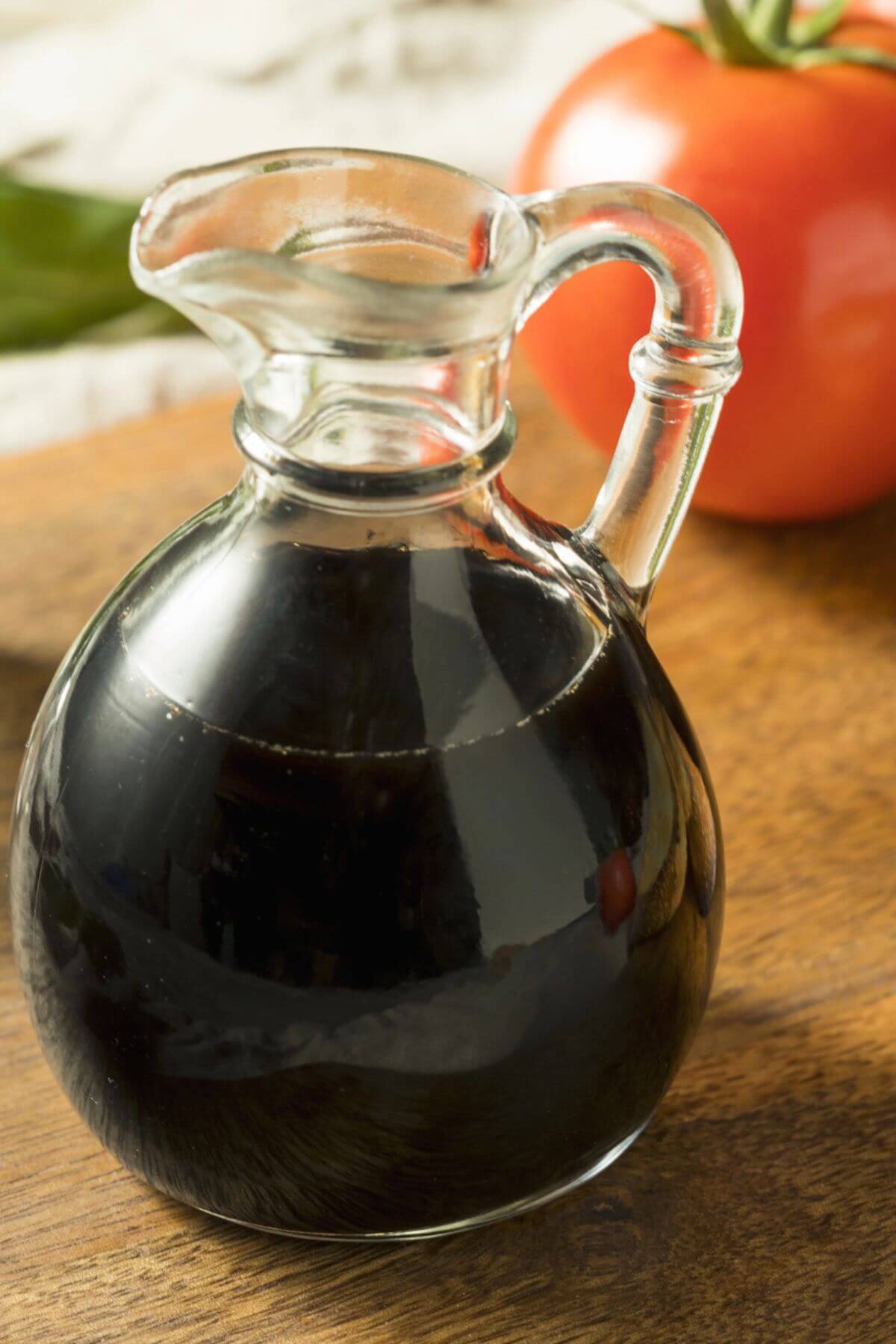
Homemade Balsamic Glaze is one of the easiest condiments you can make. With just three simple ingredients, you’ll have a rich, syrupy glaze that’s perfect for Caprese salads, grilled chicken, roasted vegetables, pizza, fresh fruit, and so much more. Once you taste homemade, you’ll never want the bottled version again.
Easy Homemade Balsamic Glaze
One of my favorite things about making homemade condiments is knowing exactly what’s in them. This balsamic glaze uses just three simple ingredients and comes together in about 10 minutes, making it an easy recipe to keep on hand whenever you want to add something special to a meal.
I almost always keep a jar in my refrigerator because it’s so versatile. Whether I’m finishing a summer salad, dressing up grilled chicken, adding flavor to roasted vegetables, or creating an easy appetizer with fresh mozzarella and tomatoes, a drizzle of homemade balsamic glaze makes everyday recipes feel a little more memorable.
This delicious condiment makes a beautiful gift for your favorite home chef. Put the glaze in a beautiful glass bottle, a bottle of good-quality olive oil in a basket, and a loaf of bread. Include a handwritten recipe card so the recipient can make another batch at home.
Ingredients
- Balsamic Vinegar – The star of the recipe, providing a rich, tangy flavor that becomes naturally sweet and syrupy as it simmers.
- Brown Sugar – Adds a touch of sweetness and helps create the glaze’s glossy, caramel-like consistency.
- Salt – Balances the sweetness and enhances the deep, bold flavor of the balsamic vinegar.
How to Make It
Note: This is a quick overview of the recipe. Scroll down to the recipe card below for the complete ingredient list, exact measurements, and step-by-step instructions.
Step 1. Add the balsamic vinegar, brown sugar, and kosher salt to a small saucepan. Cook over medium heat, stirring until the brown sugar has completely dissolved.
Step 2. Bring the mixture to a gentle boil. Continue simmering for 4 to 5 minutes, or until the glaze has reduced about half and is the consistency of maple syrup. Keep in mind that it will continue to thicken as it cools.
Step 3. Remove the saucepan from the heat and carefully pour the balsamic glaze into a clean glass jar or other heatproof container. Let it cool completely before covering and refrigerating.
Recipe Tips
These simple tips will help you make the perfect homemade balsamic glaze every time.
- Start with a good-quality balsamic vinegar. Since balsamic vinegar is the main ingredient, using one with a rich, smooth flavor will give you the best results.
- Stir until the sugar dissolves. This helps create a smooth glaze without any graininess.
- Don’t overcook the glaze. Remove it from the heat when it reaches the consistency of maple syrup. It will continue to thicken as it cools.
- Watch it closely near the end. Balsamic glaze can go from perfectly syrupy to overly thick in just a minute or two.
- Adjust the sweetness to your taste. If you prefer a sweeter glaze, add a little more brown sugar before simmering.
- Store it in a squeeze bottle. This makes it easy to drizzle over salads, grilled chicken, pizza, fruit, and roasted vegetables.
- Let the glaze cool before judging the consistency. It may seem thin in the saucepan, but it thickens noticeably as it cools.
- Double the recipe. Homemade balsamic glaze keeps well in the refrigerator, so making extra means you’ll always have some ready for quick meals.
Storage
- Store in an airtight container or squeeze bottle in the refrigerator for up to 3 weeks.
- The balsamic glaze will continue to thicken as it chills.
- Let it sit at room temperature for 10 to 15 minutes if it becomes too thick to drizzle, or warm it gently for a few seconds.
- Freezing isn’t recommended because the texture and flavor can change after thawing.
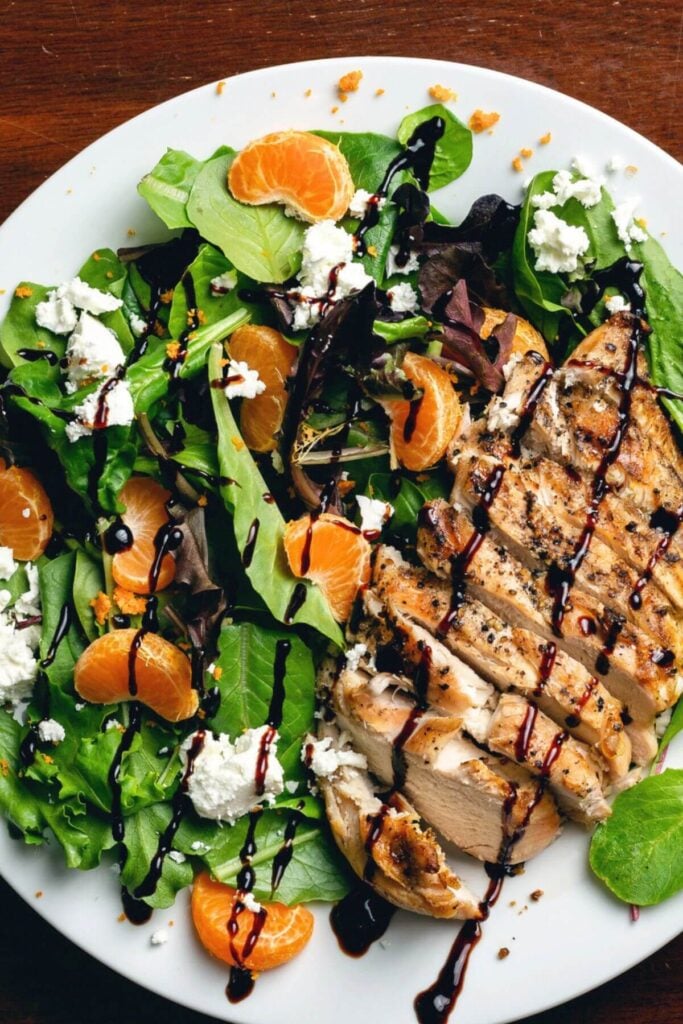
Ways to Use Homemade Balsamic Glaze
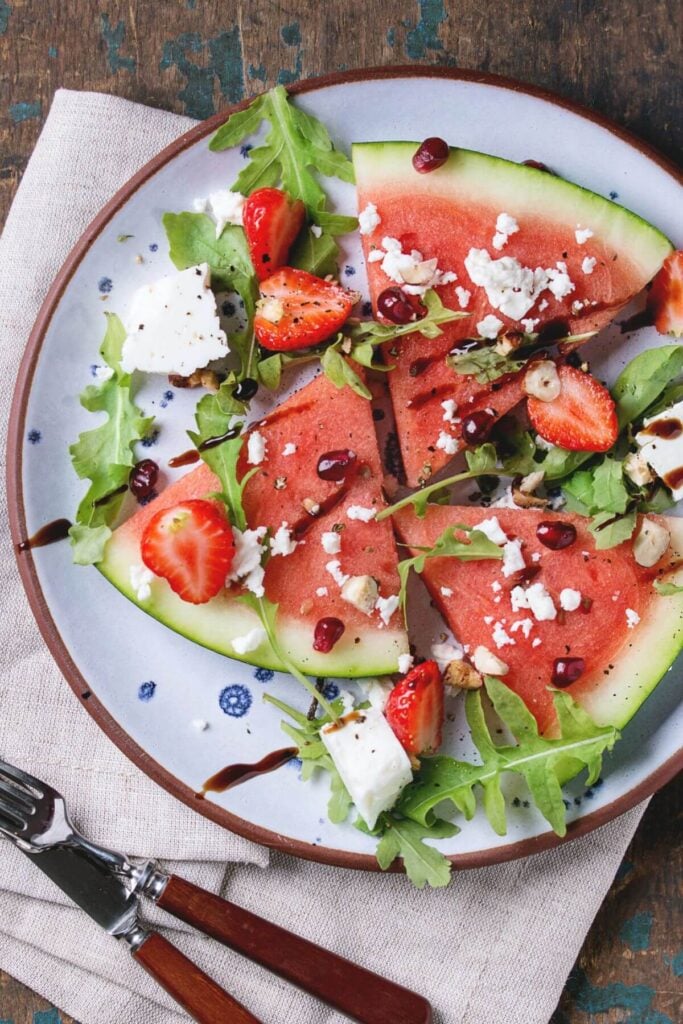
Homemade balsamic glaze is one of those versatile condiments you’ll find yourself reaching for again and again. Drizzle it over sweet or savory dishes to add a rich, tangy finish that instantly elevates everyday meals.
- Caprese salads like my Peach Caprese Salad.
- Grilled chicken, steak, pork chops, or salmon. Homemade balsamic glaze also adds wonderful flavor to my Slow Cooker Raspberry Balsamic Glazed Meatballs.
- Roasted vegetables such as Brussels sprouts, asparagus, carrots, and sweet potatoes.
- Fresh fruit including strawberries, peaches, watermelon, figs, and pears.
- Pizza with mozzarella, tomatoes, fresh basil, or prosciutto.
- Pasta dishes, especially my Balsamic Chicken Gorgonzola Pasta.
- Cheese boards and charcuterie boards with fresh mozzarella, burrata, goat cheese, or Parmesan.
- Sandwiches and wraps for a sweet and tangy finishing drizzle.
- Grilled peaches or pineapple for an easy summer dessert.
- Vanilla ice cream topped with fresh berries.
- Crusty bread served with my Rosemary Balsamic Bread Dipping Oil for an easy appetizer.
It’s also a wonderful finishing drizzle for holiday appetizers, summer cookouts, and weeknight dinners.
Frequently Asked Questions
What is homemade balsamic glaze?
Homemade balsamic glaze is a thick, syrupy reduction made by simmering balsamic vinegar with a little brown sugar and salt. It has a rich, sweet-tangy flavor that’s perfect for drizzling over salads, roast chicken, roasted vegetables, grain bowls, roasted fruit, and more.
What’s the difference between balsamic vinegar and balsamic glaze?
Balsamic vinegar is thin and tangy, while balsamic glaze is cooked down until it becomes thick, glossy, and slightly sweet. The concentrated flavor makes it ideal as a finishing drizzle for both savory and sweet dishes.
Why didn’t my balsamic glaze thicken?
If your glaze is still thin, it probably needs another minute or two of simmering. Keep in mind that homemade balsamic glaze thickens considerably as it cools, so don’t overcook it or it may become too thick.
Can I make balsamic glaze without brown sugar?
Yes. You can simmer balsamic vinegar by itself to make a simple reduction, but adding a small amount of brown sugar creates a smoother, slightly sweeter glaze with a beautiful glossy finish.
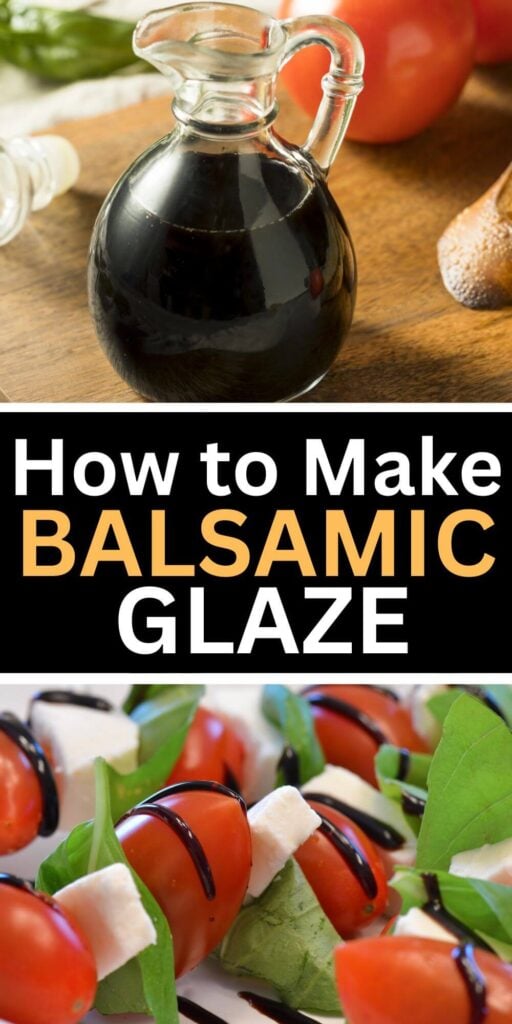
I created a pin above so you can save this Homemade Balsamic Glaze Recipe to your condiment board on Pinterest. You’ll be surprised how often you reach for this easy glaze!
You can find me on Pinterest, Facebook, and Instagram.
I found this syrupy glaze recipe in a book by Tanorria Askew called Staples + 5. You’ll love how versatile this flavorful topping is on all kinds of dishes.
Tried This Recipe?
I love hearing your feedback. Please leave a review if you loved the recipe.
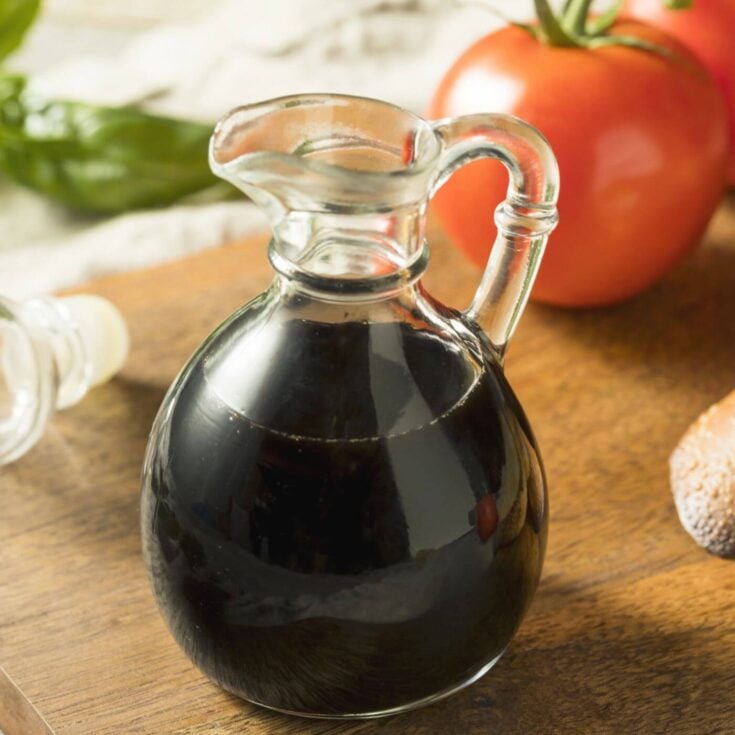
Homemade Balsamic Glaze Sauce Recipe
Homemade Balsamic Glaze is an easy 3-ingredient recipe that comes together in about 10 minutes. This rich, sweet-tangy glaze is perfect for drizzling over Caprese salads, grilled chicken, roasted vegetables, fresh fruit, pizza, and more.
Ingredients
- 1 cup balsamic vinegar
- 2 tablespoons brown sugar
- 1/4 teaspoon kosher salt
Instructions
- Add the balsamic vinegar, brown sugar, and kosher salt to a small saucepan. Cook over medium heat, stirring until the brown sugar has completely dissolved.
- Bring the mixture to a gentle boil. Continue simmering for 4 to 5 minutes, or until the glaze has reduced about half and is the consistency of maple syrup. Keep in mind that it will continue to thicken as it cools.
- Remove the saucepan from the heat and carefully pour the balsamic glaze into a clean glass jar or other heatproof container. Let it cool completely before covering and refrigerating.
Notes
These simple tips will help you make the perfect homemade balsamic glaze every time.
- Start with a good-quality balsamic vinegar. Since balsamic vinegar is the main ingredient, using one with a rich, smooth flavor will give you the best results.
- Stir until the sugar dissolves. This helps create a smooth glaze without any graininess.
- Don't overcook the glaze. Remove it from the heat when it reaches the consistency of maple syrup. It will continue to thicken as it cools.
- Watch it closely near the end. Balsamic glaze can go from perfectly syrupy to overly thick in just a minute or two.
- Adjust the sweetness to your taste. If you prefer a sweeter glaze, add a little more brown sugar before simmering.
- Store it in a squeeze bottle. This makes it easy to drizzle over salads, grilled chicken, pizza, fruit, and roasted vegetables.
- Let the glaze cool before judging the consistency. It may seem thin in the saucepan, but it thickens noticeably as it cools.
- Double the recipe. Homemade balsamic glaze keeps well in the refrigerator, so making extra means you'll always have some ready for quick meals.
- Drizzle the homemade balsamic glaze on my Peach Caprese Salad for the best summer side.
Nutrition Information
Yield
10Serving Size
1Amount Per Serving Calories 31Total Fat 0gSaturated Fat 0gTrans Fat 0gUnsaturated Fat 0gCholesterol 0mgSodium 38mgCarbohydrates 7gFiber 0gSugar 6gProtein 0g