What to do with Mint Leaves?
What to do with Mint Leaves is your ultimate guide to using up a fresh harvest. Whether you’re looking for mint recipes, refreshing drinks, homemade condiments, beauty ideas, natural pest control, or creative ways to preserve fresh mint, you’ll find plenty of inspiration here. If you’re growing your own mint, be sure to check out my guides on How to Store Mint: Storing, Drying, and Freezing and How to Grow Mint to help you get the most from every harvest.

What to do with Mint Leaves?
Mint is one of the easiest herbs to grow, and once it gets established, you’ll often have more than you know what to do with. Whether you’re picking a handful from a container on your patio or harvesting baskets of fresh mint from your garden, there are countless ways to enjoy its fresh, cooling flavor throughout the year.
From refreshing drinks and homemade condiments to salads, desserts, beauty products, and natural household uses, fresh mint is one of the most versatile herbs you can grow. If you’re wondering what varieties to plant, be sure to read my guide to Types of Mint before you start your garden. This guide is packed with practical ideas, delicious recipes, and creative inspiration to help you make the most of every harvest.
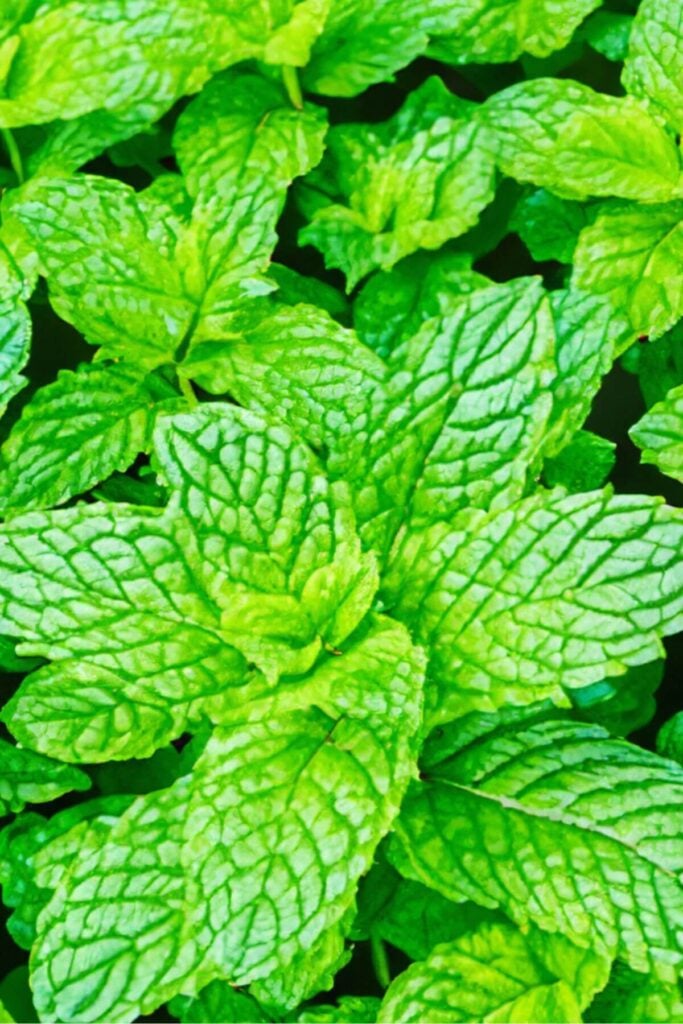
Quick Tip
Wash mint gently in cold water and dry it thoroughly before using. For the strongest flavor, add fresh mint near the end of cooking or just before serving.
Table of Contents
Beverages
Fresh mint is the perfect way to add bright, refreshing flavor to beverages. From homemade lemonade and iced tea to smoothies, infused water, and cocktails, these ideas will help you enjoy every sprig of your mint harvest.
Mint Lemonade

Mint lemonade is one of the most refreshing ways to use fresh mint leaves. The fresh citrus flavor paired with cool, fragrant mint creates the perfect drink for hot summer afternoons, backyard barbecues, and relaxing on the porch.
Infused Mint Water

Fresh mint infused water is one of the easiest ways to use a handful of mint leaves. It’s naturally refreshing, easy to customize with seasonal fruit, and a delicious way to stay hydrated throughout the day. Simply combine the ingredients in a 2-quart pitcher, refrigerate for at least 1 hour, and enjoy.
Cucumber Mint Infused Water
- 8 cups cold filtered water
- 1/2 English cucumber, thinly sliced
- 10 to 12 fresh mint leaves, lightly bruised
This spa-inspired drink is perfect for warm afternoons and backyard gatherings.
Pineapple Coconut Mint Water
- 6 cups cold filtered water
- 2 cups coconut water
- 1 cup fresh pineapple chunks
- 10 to 12 fresh mint leaves, lightly bruised
This tropical combination is refreshing after working in the garden or relaxing by the pool.
Strawberry Mint Infused Water
- 8 cups cold filtered water
- 1 cup sliced fresh strawberries
- 10 to 12 fresh mint leaves, lightly bruised.
Sweet strawberries and cool mint create one of the most popular fruit-infused waters for summer picnics, cookouts, and everyday hydration.
Mint Julep
Mint juleps are one of the most famous ways to use fresh mint leaves. To make one, gently muddle 8 to 10 fresh mint leaves with 1 teaspoon sugar in a julep cup or glass. Fill with crushed ice, pour in 2 ounces of bourbon, stir well, and garnish with a fresh sprig of mint. It’s the perfect cocktail for warm summer evenings, Kentucky Derby parties, or relaxing on the front porch.
Hot Mint Tea or Iced Mint Tea
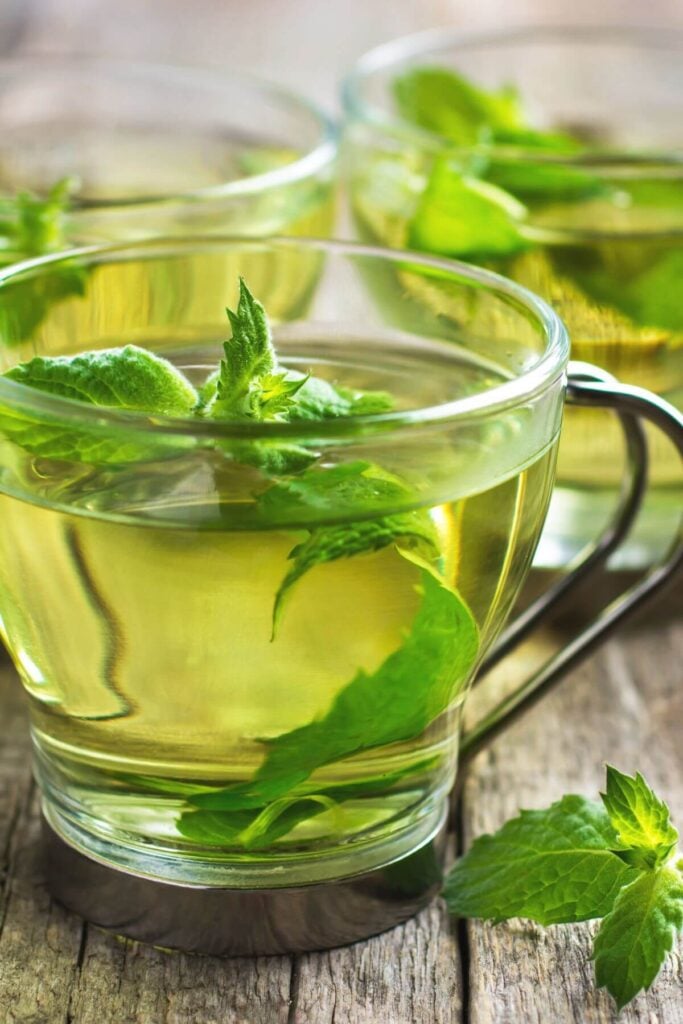
Fresh mint makes one of the easiest and most refreshing herbal teas you can grow. Steep 10 to 12 fresh mint leaves (or 1 tablespoon dried mint) in 2 cups of hot water for 5 to 10 minutes, then strain and enjoy. Serve it hot on a cozy afternoon or pour it over ice for a refreshing summer drink. Moroccan mint tea is a classic variation that’s traditionally made with green tea and fresh mint.
If you enjoy growing herbs for homemade teas, mint is one of the best plants to include in a Tea Garden. Pair it with herbs like chamomile, lemon balm, lavender, and lemon verbena so you have everything you need to create your own custom herbal tea blends right outside your back door.
Smoothies

Fresh mint adds a cool, refreshing flavor that pairs especially well with fruit smoothies and green smoothies alike. Start with 4 to 6 mint leaves per smoothie, then adjust to your taste.
Mint pairs especially well with sweet fruits like watermelon, strawberries, pineapple, peaches, and mango, while also complementing leafy greens like spinach and kale. One of my favorite combinations is a Chocolate Banana Mint Smoothie, which tastes like a healthier version of a mint chocolate dessert.
Mint Simple Syrup
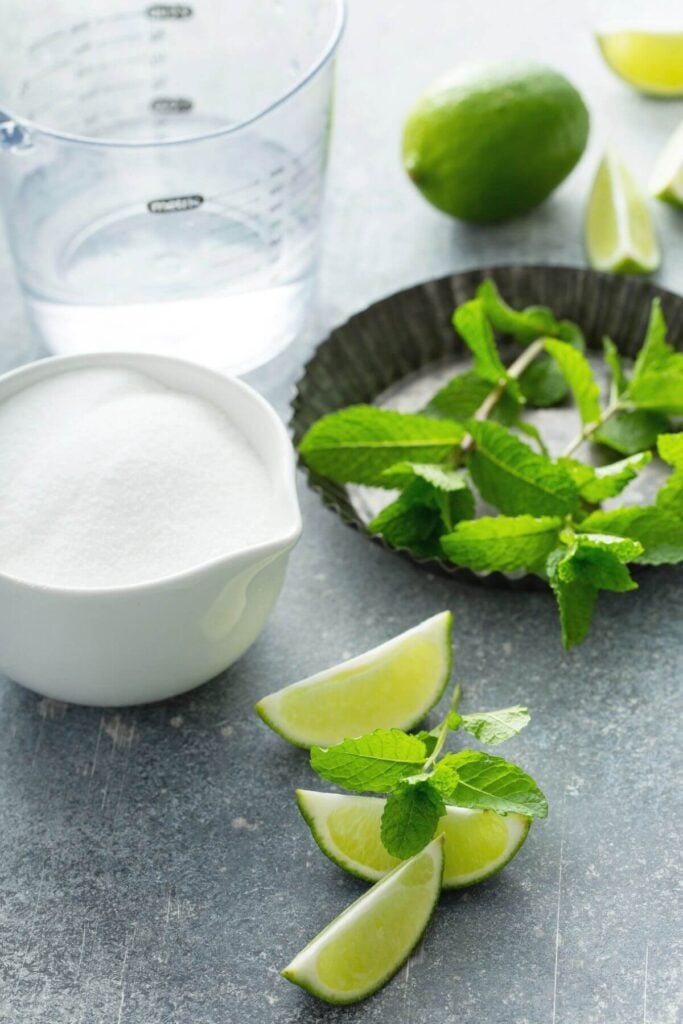
Homemade mint simple syrup is a wonderful way to preserve fresh mint and add its refreshing flavor to drinks, desserts, and baked goods. In a small saucepan, combine 1 cup water and 1 cup granulated sugar over medium heat, stirring until the sugar dissolves. Add 1 packed cup of fresh mint leaves, bring the mixture to a gentle simmer, and cook for 5 minutes.
Remove the saucepan from the heat and let the mint steep for 15 minutes to develop an even stronger flavor. Strain out the mint leaves, pressing them gently to extract every last drop of syrup. Pour the syrup into a clean glass jar or bottle and refrigerate for up to 2 weeks.
Here are my favorite ways to use homemade mint simple syrup
- Sweeten iced tea or lemonade for a refreshing summer drink.
- Stir into iced coffee or cold brew for a subtle hint of mint.
- Mix into cocktails like mojitos, margaritas, daiquiris, or bourbon smashes.
- Make Italian sodas by combining sparkling water and mint syrup.
- Drizzle over pancakes, waffles, or French toast instead of maple syrup.
- Sweeten fresh fruit salad or drizzle over sliced peaches, strawberries, or watermelon.
- Flavor homemade whipped cream for cakes and fresh berries.
- Add to milkshakes, smoothies, or homemade lemonade for extra freshness.
- Freeze into popsicles, sorbets, or granita for an easy summer dessert.
- Brush onto cakes or muffins after baking to add moisture and mint flavor.
- Use in fruit-based salad dressings or marinades for grilled chicken, pork, or vegetables.
Mint Ice Cubes
Freezing fresh mint in ice cubes is a simple way to preserve your harvest while adding a beautiful touch to everyday drinks. Place 1 to 2 mint leaves into each compartment of an ice cube tray. For extra color, tuck in a sliced strawberry, raspberry, blueberry or a thin slice of lemon or lime, then fill the tray with filtered water and freeze until solid.
If you’d like crystal-clear ice cubes, use distilled water or water that has been boiled and cooled before filling the tray. Once frozen, transfer the cubes to a freezer-safe bag and store them for up to 3 months. Drop them into iced tea, lemonade, sparkling water, cocktails, or fruit punch for an easy way to add fresh mint flavor.
Salads
Mint adds a cooling herbal flavor to summer salads and pairs especially well with watermelon, cucumbers, tomatoes, fresh fruit, grains, and tangy cheeses.
Fruit Salads
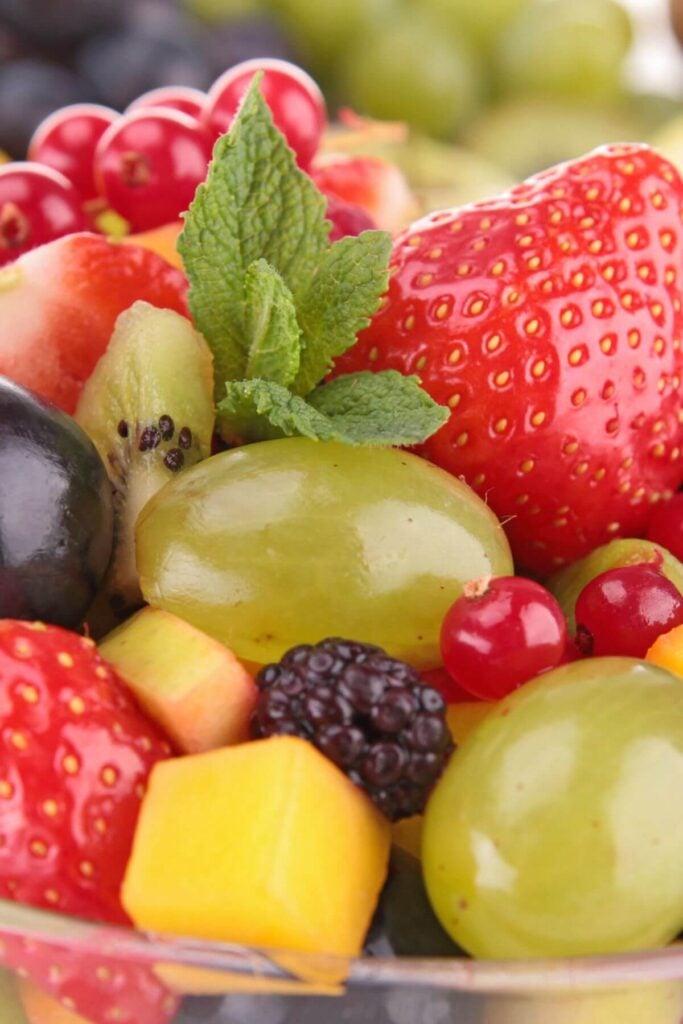
Fresh mint adds a cool, refreshing flavor to fruit salad and pairs beautifully with seasonal favorites like strawberries, blueberries, peaches, watermelon, grapes, and pineapple. Whether you’re serving it at a summer picnic, brunch, or backyard barbecue, a fruit salad with fresh mint is always a refreshing addition to the table.
Watermelon Salad with Mint
Nothing says summer quite like watermelon and fresh mint. Their cool, refreshing flavors pair beautifully with creamy feta and tangy Kalamata olives, creating a simple salad that’s always a hit at cookouts and family gatherings. My Watermelon Mint Salad is an easy recipe you’ll find yourself making all season long.
Cucumber Salad
Fresh mint and cucumbers are a classic pairing that never goes out of style. Chopped mint adds a cool, refreshing flavor that complements crisp cucumbers beautifully. Toss sliced cucumbers with fresh mint, a squeeze of lemon juice, olive oil, salt, and pepper for an easy summer side dish.
Mint Dressing
Fresh mint adds a cool, refreshing flavor to homemade vinaigrettes. It pairs especially well with mixed greens, cucumbers, berries, peaches, and goat cheese, creating a light dressing that’s perfect for spring and summer salads. If you’d like to try one, this mint vinaigrette recipe is a delicious place to start.
Tabbouleh
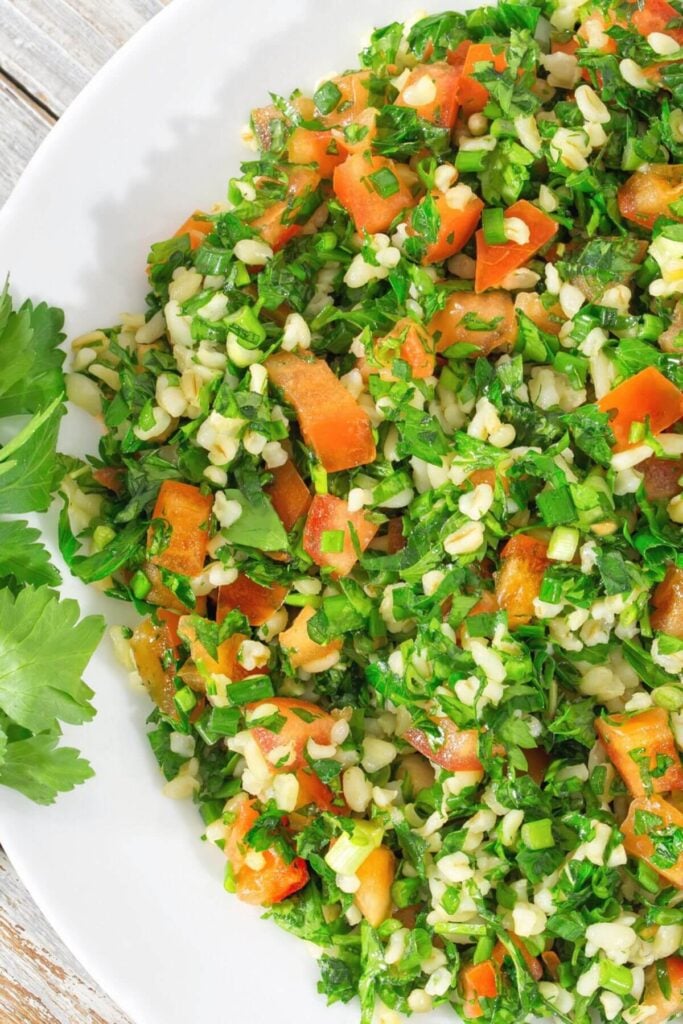
Tabbouleh is a classic Middle Eastern salad that makes fresh mint one of its star ingredients. Combined with parsley, tomatoes, bulgur, lemon juice, and olive oil, mint adds a cool, refreshing flavor that perfectly complements the fresh vegetables and herbs. If you’ve never made tabbouleh before, this recipe is a wonderful place to start.
Side Dishes
A handful of fresh mint can transform simple side dishes into something memorable. From grain salads and roasted vegetables to potatoes and fresh fruit, mint adds a cool flavor that pairs beautifully with summer meals.
New Potatoes
New potatoes become even more flavorful with the addition of fresh mint. Combined with butter and garlic, mint adds a refreshing finish that pairs beautifully with roasted or grilled meats. If you’re looking for a new potato side dish, this recipe is well worth trying.
Lemon Rice
Add fresh mint to lemon rice for a bright, refreshing side dish with delicious Mediterranean-inspired flavor. The mint complements the zesty lemon and fluffy rice beautifully, making it especially tasty alongside salmon, chicken, lamb, or grilled vegetables. .
Soups
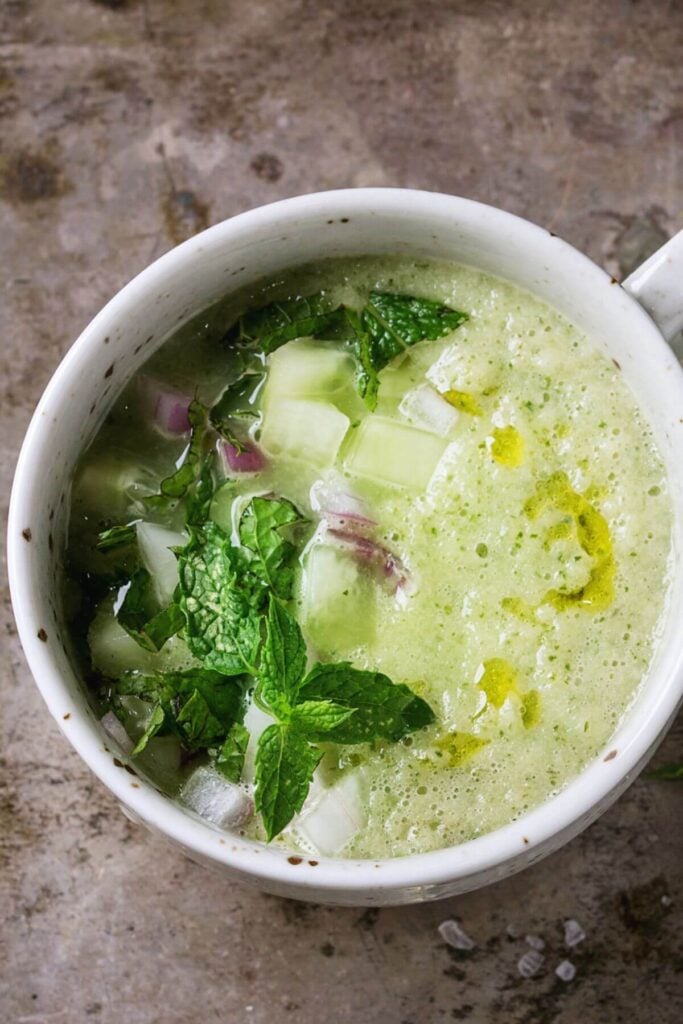
If you’ve never added fresh mint to soup, you’ll be surprised by how well it works. Mint complements sweet vegetables like peas while adding a light, refreshing flavor that makes each spoonful taste fresh. This Pea and Mint Soup is a wonderful recipe to enjoy during the growing season.
Fresh mint adds a cool, refreshing flavor to my Chilled Watermelon Soup, making it the perfect light appetizer for hot summer days.
Entrees
Mint is just as delicious in savory main dishes as it is in drinks and desserts. It pairs beautifully with grilled meats, seafood, rice, noodles, and vegetables, bringing a cool contrast to bold flavors and warm spices.
Asian Cuisine

Many Asian cuisines rely on mint to add a cool, refreshing flavor that balances spicy, savory, and tangy ingredients. You’ll often find it in Vietnamese spring rolls, Thai salads, rice noodle bowls, and lettuce wraps. A handful of mint leaves added just before serving brings a delicious garden-fresh finish to these dishes.
Middle Eastern Cuisine
Middle Eastern cuisine showcases fresh mint in a variety of flavorful main dishes. From grilled lamb kebabs and beef kofta to shawarma, stuffed peppers, and seasoned rice, mint adds a refreshing contrast to warm spices and savory meats. It’s one of the easiest ways to bring fresh, authentic flavors to everyday dinners.
Mediterranean Cuisine
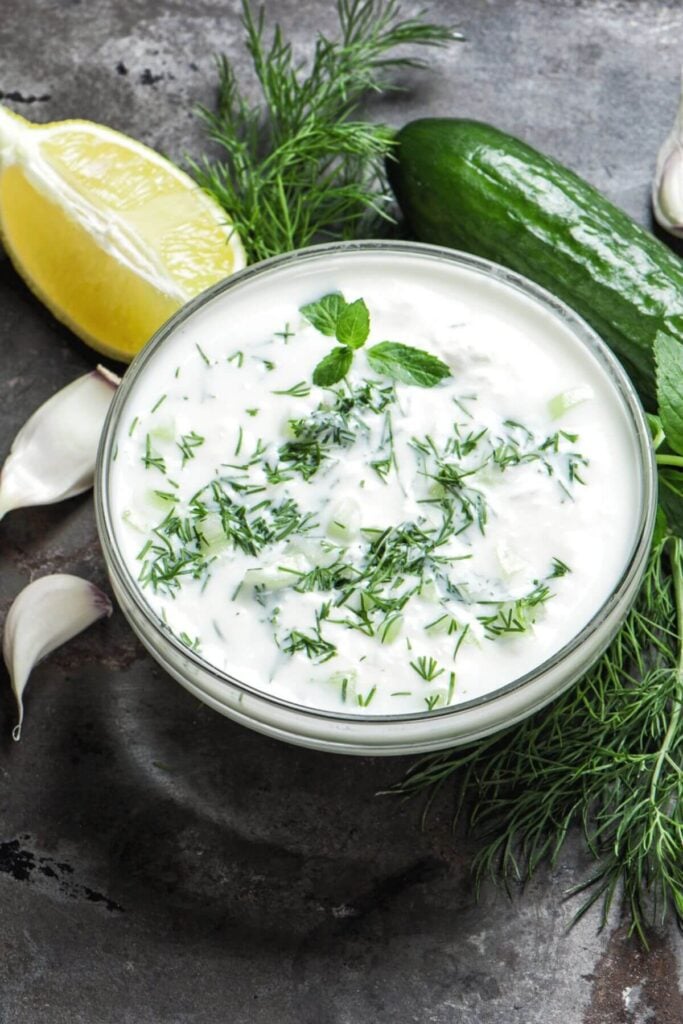
Mediterranean cuisine often features fresh mint in sauces, grilled meats, rice dishes, and flavorful appetizers. Its cool, refreshing flavor pairs beautifully with lemon, garlic, olive oil, cucumbers, feta cheese, and lamb. From creamy Tzatziki Sauce and my Mint Yogurt Sauce for Lamb to chicken souvlaki, lamb gyros, and Mediterranean rice bowls, there are plenty of delicious ways to cook with fresh mint.
Desserts
Desserts become even more refreshing with the addition of mint. Whether paired with chocolate, berries, citrus, or stone fruit, it adds a cool flavor that makes sweet treats even more irresistible.
Ice Cream
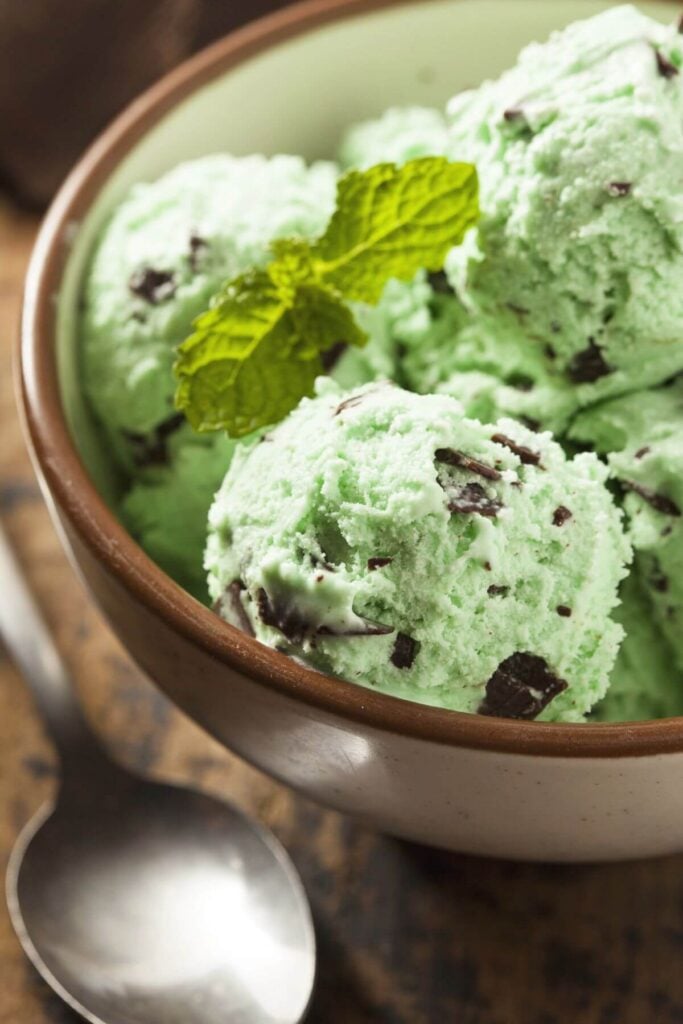
Mint chocolate chip ice cream is a timeless favorite, and using fresh mint leaves gives it an extra layer of flavor. The result is a cool, creamy dessert that’s perfect for warm summer days. This homemade recipe is well worth trying.
Mint Baked Goods
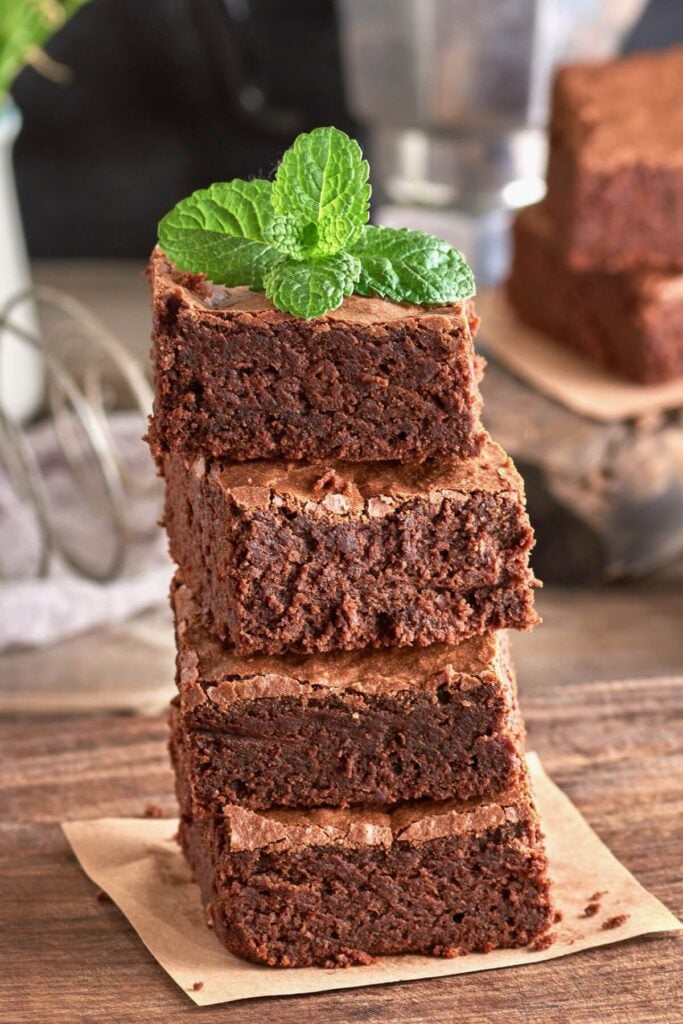
Chocolate and mint are one of the most classic flavor combinations for a reason. Fresh mint adds a cool, refreshing contrast to rich chocolate, making it a delicious addition to cookies, brownies, cakes, and other baked treats. If you’re looking for a sweet way to use your mint harvest, these recipes are a wonderful place to start.
Chocolate Mint Leaves
Chocolate-covered mint leaves are an easy treat that combines rich chocolate with the cool, refreshing flavor of mint. They make a simple after-dinner dessert or an elegant addition to holiday dessert trays.
Condiments
From sauces and pesto to infused vinegar and herb salt, homemade condiments are an easy way to preserve mint and add its flavor to everyday meals.
Mint Jelly and Mint Sauce
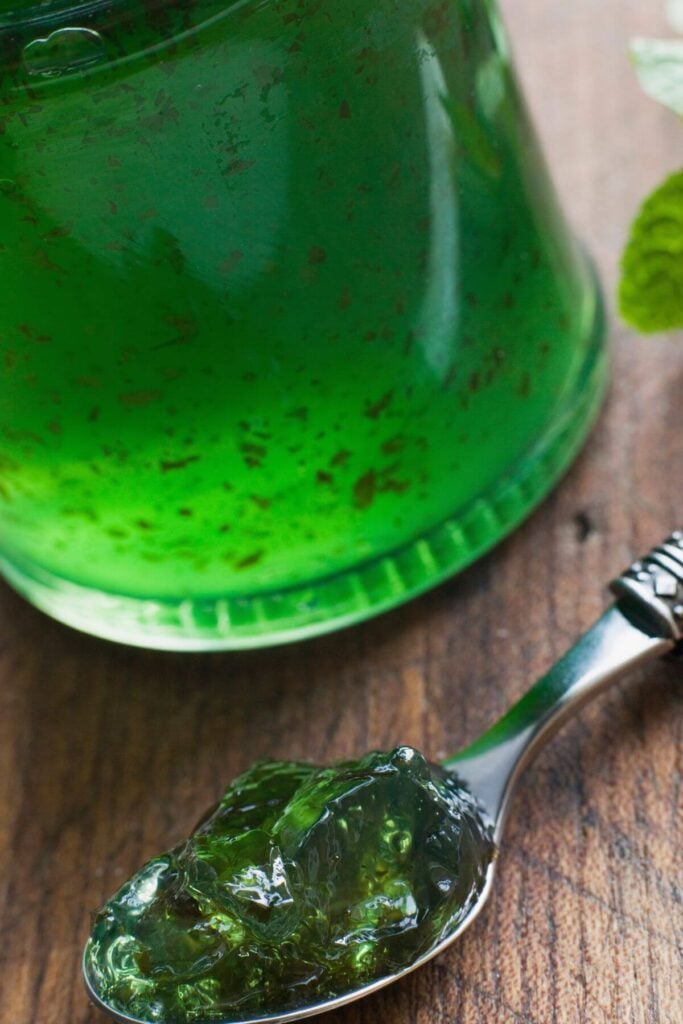
Mint jelly is a sweet, tangy condiment made from mint leaves, sugar, and lemon. It’s often enjoyed as a complement to savory dishes like lamb or roasted meats.
Mint Sugar
Mint sugar is an easy way to preserve fresh mint while adding a subtle herbal sweetness to recipes. Sprinkle it over fresh fruit, cookies, cakes, muffins, or the rim of cocktail glasses for a simple finishing touch.
Mint Vinegar
Infusing vinegar with fresh mint creates a versatile pantry staple that’s simple to make at home. The subtle mint flavor works beautifully in vinaigrettes, marinades, vegetable dishes, and other savory recipes.
Mint Pesto
Mint pesto is a delicious twist on the classic basil version. The fresh mint adds a cool, herbaceous flavor that pairs beautifully with garlic, Parmesan cheese, nuts, and oil. Toss it with pasta, spread it on sandwiches, spoon it over grilled vegetables, or serve it with chicken, fish, or lamb. It also makes a thoughtful homemade gift when packaged in a small Mason jar with the recipe attached.
Herb Salt
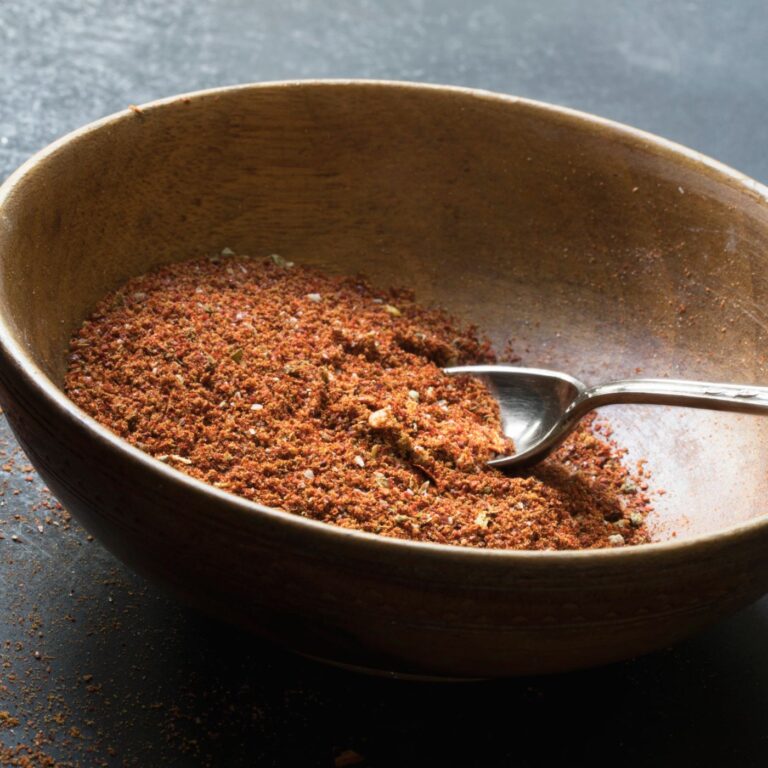
Don’t let dried mint leaves go to waste. Homemade herb salt combines dried herbs with coarse salt to create a versatile seasoning that’s delicious on vegetables, meats, soups, and pasta. It’s also a thoughtful homemade gift for family and friends.
Garnish
A sprig of fresh mint instantly makes drinks and dishes feel a little more special. Use it to garnish cocktails, mocktails, iced tea, lemonade, fruit salads, and desserts for a fresh look and subtle herbal flavor. If cocktails are your specialty, be sure to check out my How to Create a Cocktail Garden article for ideas on growing herbs you’ll use the most.
Homemade Mint Extract
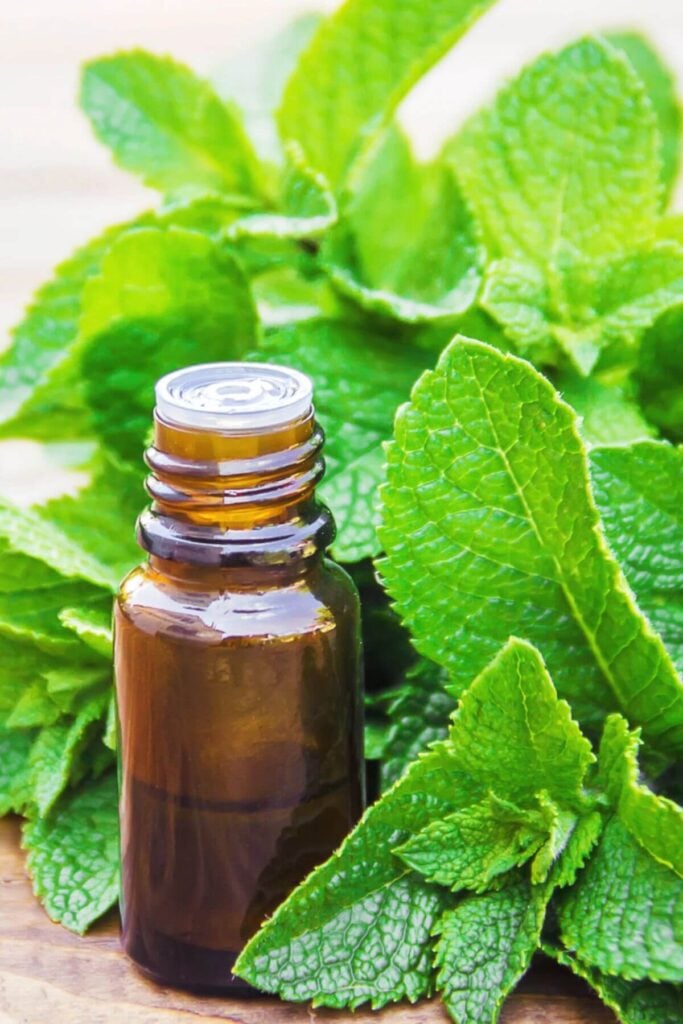
If you have an abundance of fresh mint, homemade mint extract is an excellent way to use it. After it has time to infuse, you’ll have a flavorful ingredient that’s perfect for baking, desserts, beverages, and homemade candies.
More Uses for Fresh Mint Leaves
Beyond the kitchen, extra mint leaves can be used in simple household, garden, and beauty projects.
Homemade Bug Spray
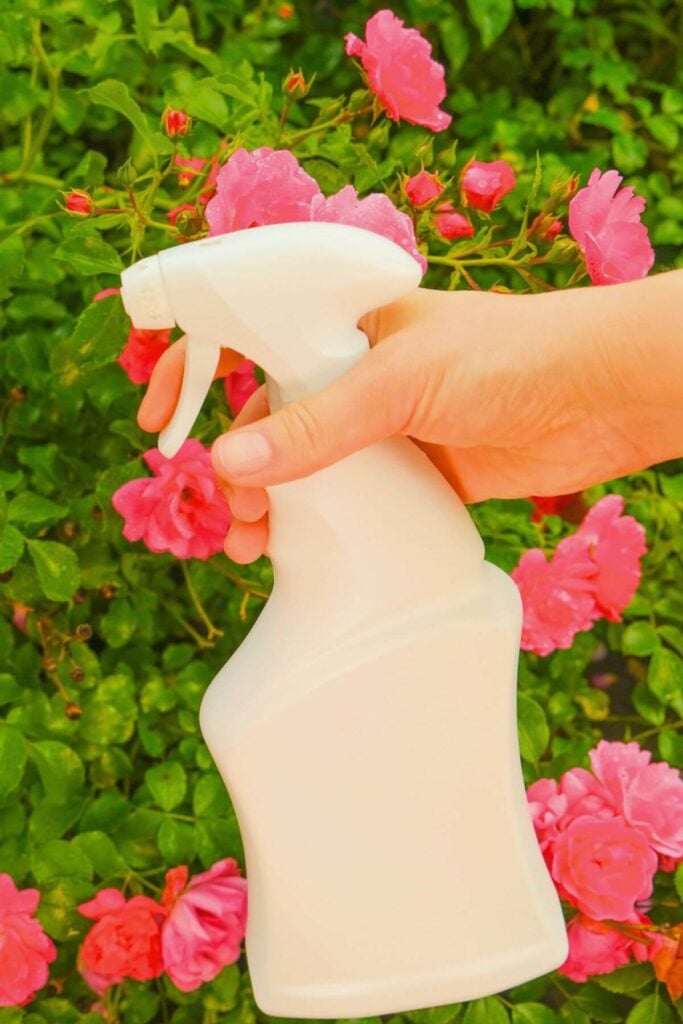
Mint’s strong scent makes it a popular natural ingredient in homemade bug sprays. While it won’t replace commercial insect repellents, it may help discourage mosquitoes, ants, flies, and other garden pests. To make a simple mint bug spray, combine 2 cups of water with 15 drops of mint essential oil in a spray bottle and shake well before each use.
Simple Mint Pest Control
The next time you go on a picnic, bring along a small vase with a handful of mint and water to keep bugs away. It’s a simple, natural way to help discourage insects while you’re enjoying a picnic.
Mint Cleaning Supplies
Lemons and fresh mint make a wonderful combination in homemade all-purpose cleaner. Their clean, refreshing scent leaves kitchens, bathrooms, and other surfaces smelling fresh. This simple DIY recipe is an easy way to use extra mint from your garden.
Mint Hair Rinse
A homemade mint hair rinse is a simple way to use fresh mint leaves in your beauty routine. Many people enjoy it for the cool, refreshing feeling it leaves on the scalp, and it may help remove excess oil while leaving hair feeling clean and refreshed.
Mint Facial Masks
A homemade mint face mask is an easy way to add fresh mint to your skincare routine. Combined with ingredients like yogurt or clay, it leaves skin feeling cool and refreshed and may help soothe irritated skin while absorbing excess oil.
Mint Bath Salts
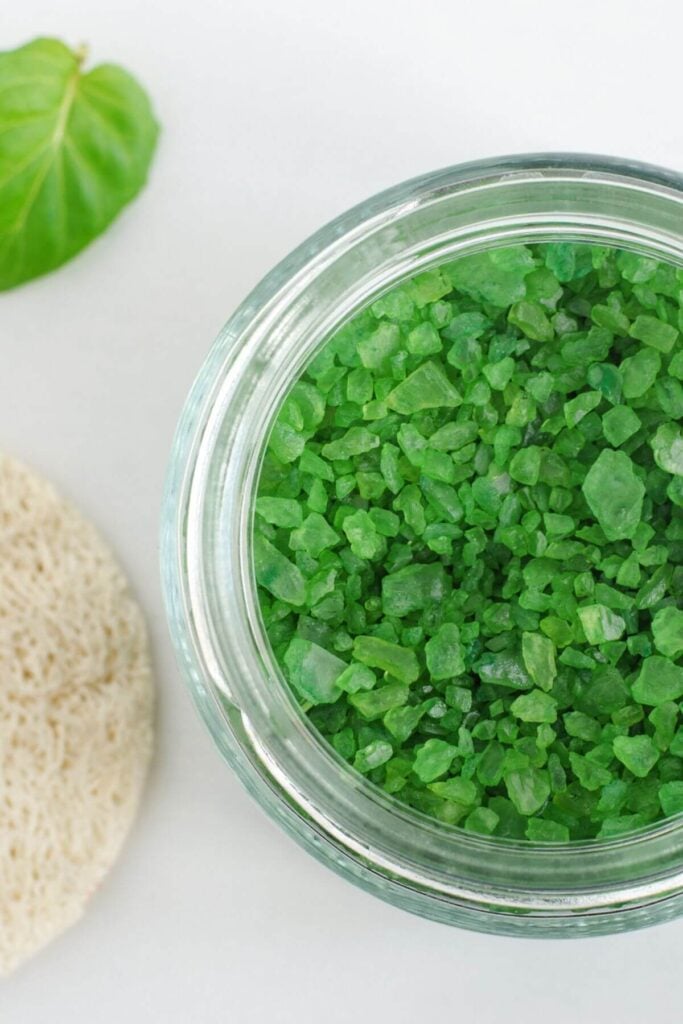
Treat yourself to homemade mint bath salts for a relaxing spa-like soak at home. The combination of fresh mint and Epsom salts creates a refreshing bath that’s perfect for unwinding after a busy day.
Whether you’re harvesting handfuls of mint from your garden or picking up a bunch at the farmers market, there are countless ways to put every leaf to good use. From refreshing drinks and flavorful recipes to homemade beauty products and natural household ideas, mint is one of the most versatile herbs you can grow. I hope this collection inspires you to try something new and enjoy your mint harvest all season long.
I created the pin below so you can save these creative ways to use mint leaves and come back whenever your garden is overflowing with fresh mint.
You can find me on Pinterest, Facebook, and Instagram.
More Food Waste Articles
- What to do with Leftover Pesto
- Ideas for Leftover Orange Peels
- What to do with Leftover Potato Peels
- Uses for Strawberry Stems
- What to do with Broccoli Stems




For the simple syrup mint recipe, how much mint do you use?
The classic mint simple syrup follows the same base ratio as any simple syrup:
1 cup water
1 cup sugar
Bring the water and sugar to a simmer until the sugar dissolves, then remove from heat. Add:
1 cup fresh mint leaves (lightly packed)
Let the mint steep in the hot syrup for about 15–20 minutes (longer for stronger flavor), then strain out the leaves.
I have two big dish type pots of mint. This year I must have a worm, based on the look of the leaves. Will BT work?
It depends on what kind of worms, but it should work. Spray in the evening and reapply after rain. Give your mint a good haircut. Inspect your plants early in the morning or at dusk. Hand-pick any visible worms and drop them in soapy water. Check the undersides of leaves for tiny clusters of eggs and wipe them away. Mint very resilient, so by acting quickly you can go back to harvesting in no time. Let me know how it goes. – Kelly
I have two big dish type pots of mint. It looks like a worm has found them this year, based on the look of the leaves. Will BT solve my problem?