11 Reasons to Start a Herb Garden
Have you ever thought about starting an herb garden? Whether you dream of a kitchen herb garden, a patio herb garden, or simply a few pots on a sunny windowsill, growing herbs is one of the easiest and most rewarding ways to bring beauty, fragrance, and fresh flavor to your life.
If you’re looking to get started on your herb garden, How to Grow Chives and Growing Rosemary the Right Way will help you on your journey.
11 Reasons to Start an Herb Garden
Fresh herbs do far more than enhance recipes. They can transform ordinary meals into something special, fill your garden with delightful scents, attract pollinators, and inspire creative projects throughout the year. From homemade teas and herbal crafts to fresh bouquets and flavorful cooking, an herb garden offers endless possibilities.
If you’re new to gardening, herbs are the perfect place to begin. Many herbs are easy to grow, require very little space, and reward you with abundant harvests season after season. What starts as a few pots of basil, thyme, or rosemary often grows into a lifelong passion.
In this article, you’ll discover 11 wonderful reasons to start an herb garden and why these versatile plants deserve a place in every cozy home and garden.
For centuries, herbs have been treasured for cooking, fragrance, and home remedies. During Colonial America, gifting a young bride an herb garden was considered both practical and thoughtful because herbs played such an important role in everyday life.
Expert Tip
Most herbs actually produce stronger flavor when they’re harvested regularly. Frequent harvesting encourages many herbs to become fuller and bushier instead of tall and leggy.
1. Herbs Are Easy to Grow
When I first dipped my toe into gardening, herbs were among the very first plants I grew. Looking back, I didn’t know much about soil, watering schedules, or plant care. In spite of this, most of my herbs thrived anyway.
That’s one of the wonderful things about growing herbs. Even beginner gardeners can enjoy a successful harvest during their very first season. Many herbs are surprisingly forgiving and don’t demand constant attention to flourish.
Most culinary herbs prefer well-drained soil, about six hours of sunlight each day, and occasional watering once established. Their hardy nature makes them an ideal choice for gardeners who are just getting started.
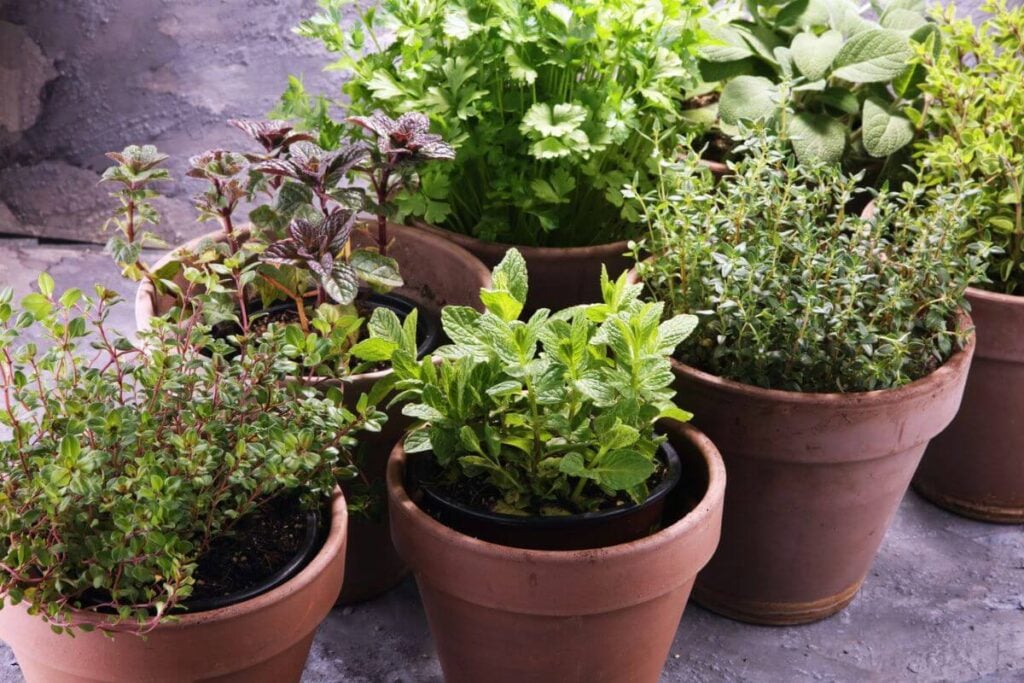
If you’re new to herb gardening, consider planting easy-to-grow favorites like chives, mint, parsley, thyme, oregano, rosemary, sage, cilantro, or lemongrass. These dependable herbs reward even novice gardeners with fresh flavor, beautiful greenery, and a confidence boost that may just turn you into a lifelong gardener.
I grow more than 20 varieties of herbs throughout my garden, and rosemary, thyme, and mint are the ones I reach for almost every day.
2. Herbs Don’t Take Up Much Space
One of the best things about growing herbs is that you don’t need a large garden to enjoy them. Whether you have a sprawling backyard, a cozy patio, a small balcony, or simply a sunny windowsill, there’s room for an herb garden.
Herbs are incredibly versatile and can be tucked into flower beds, planted along pathways, grown in containers, or displayed in charming vintage pieces. I love finding creative ways to showcase them throughout my garden.
Old metal teapots, weathered wooden crates, half wine barrels, and even antique treasures become homes for fragrant herbs.
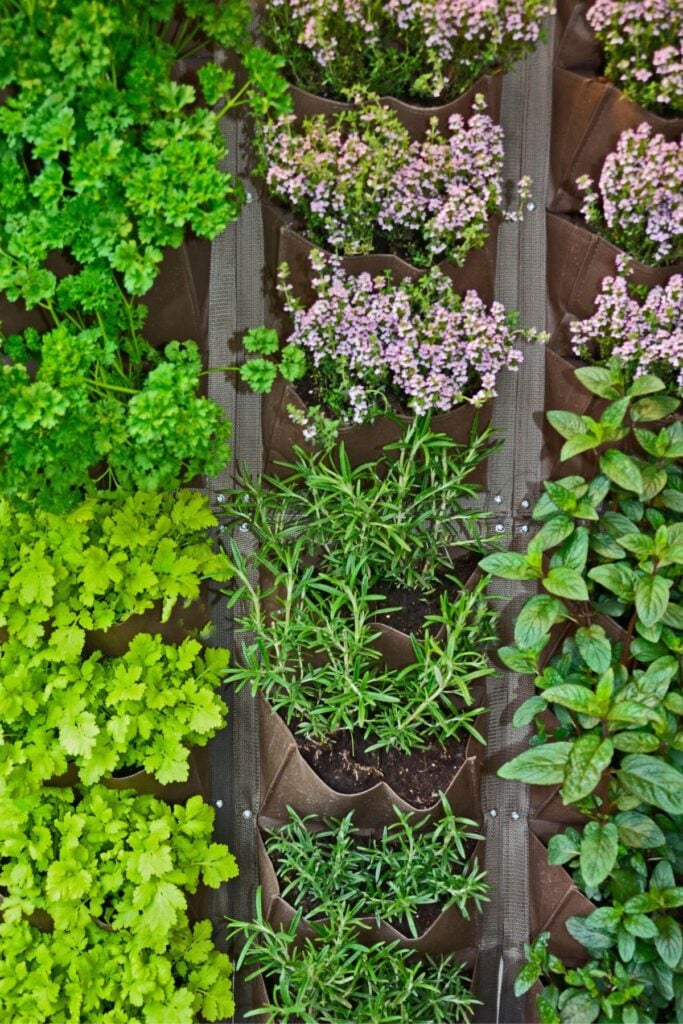
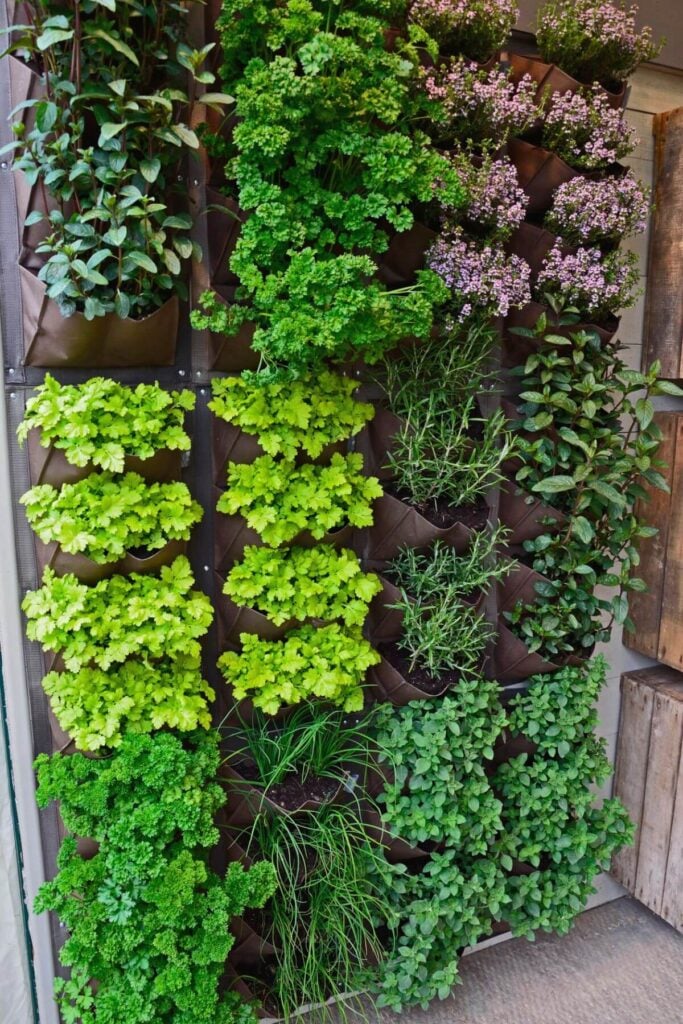
If space is limited, think vertically. Wall planters, tiered plant stands, hanging baskets, and ladder shelves allow you to grow a surprising number of herbs without taking up valuable floor space. A small corner can easily become a thriving herb garden filled with rosemary, thyme, mint, and other kitchen favorites.
Even apartment dwellers can enjoy fresh herbs year-round. A bright windowsill or collection of small pots near a sunny window can provide an abundant harvest for cooking, tea-making, and everyday enjoyment. Sometimes the smallest gardens bring the greatest rewards.
3. Fresh Herbs Elevate Everyday Cooking
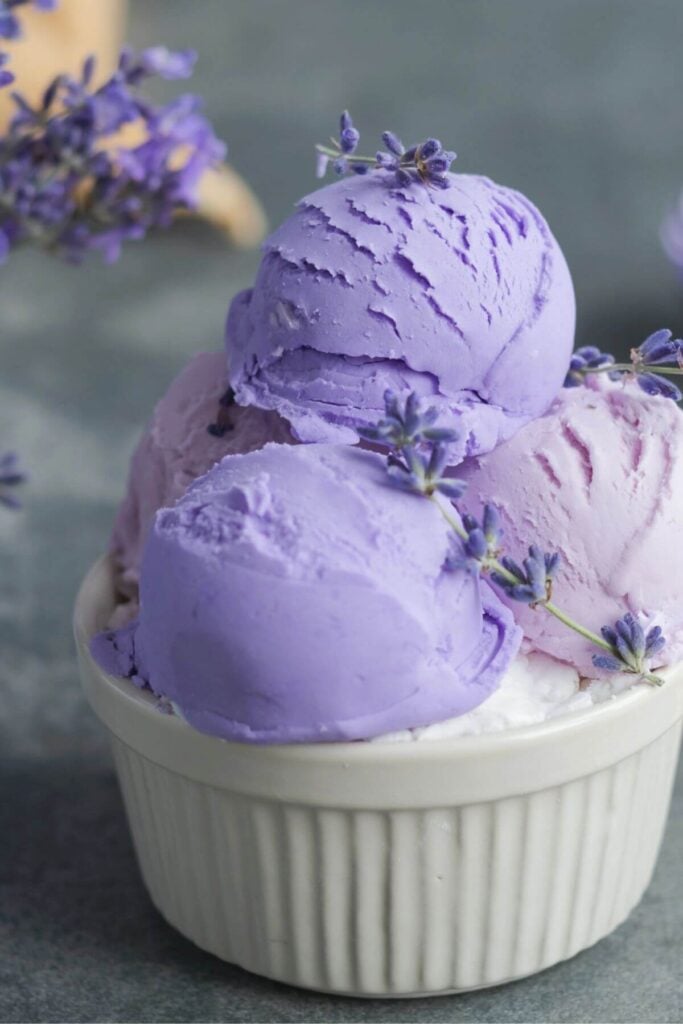
Fresh herbs do far more than garnish a plate; they add flavor, fragrance, and character to everyday meals. Today’s cooks are using herbs as featured ingredients in everything from simple salads and marinades to homemade breads, infused oils, herb salts, compound butters, desserts, and refreshing drinks.
One of my favorite ways to enjoy herbs is straight from the garden. A handful of basil transforms a tomato salad, mint brightens iced tea, and rosemary adds depth to roast vegetables. Even desserts are getting an herbal twist, with treats like lavender cookies, basil ice cream, and rosemary shortbread becoming increasingly popular.
Herbs also make it easy to create spa-inspired infused waters. Some delicious combinations include:
- Lemon-blueberry-basil water
- Watermelon-lime-mint water
- Strawberry-mint water
- Grapefruit-rosemary water
- Cucumber-lemon-mint water
When herbs are growing just outside your door, you’ll find endless ways to use them in the kitchen. A few snips from the garden can turn an ordinary recipe into something truly special.
4. Many Herbs Are Perennials
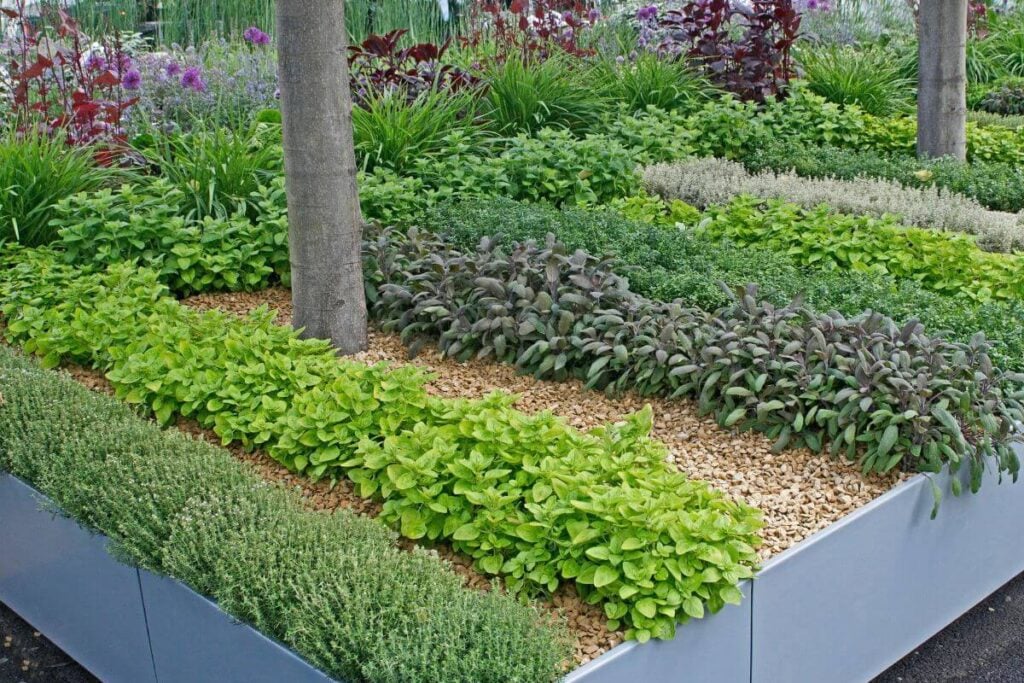
One of the best reasons to grow herbs is that many of them are perennials, returning year after year with very little effort. Herbs like thyme, sage, oregano, and chives provide fresh flavor season after season, making them a great value for any garden.
Fresh herbs at the grocery store can be surprisingly expensive, and they often don’t stay fresh for long. Growing your own perennial herbs gives you a steady supply of flavorful herbs right outside your door, saving you money while making it easy to snip exactly what you need for cooking throughout the year.
Many herbs also thrive in containers and on sunny windowsills, so you can enjoy homegrown herbs even during the winter months.
To preserve your harvest, dry or freeze herbs for year-round use. For the best flavor, harvest herbs in the morning after the dew has dried.
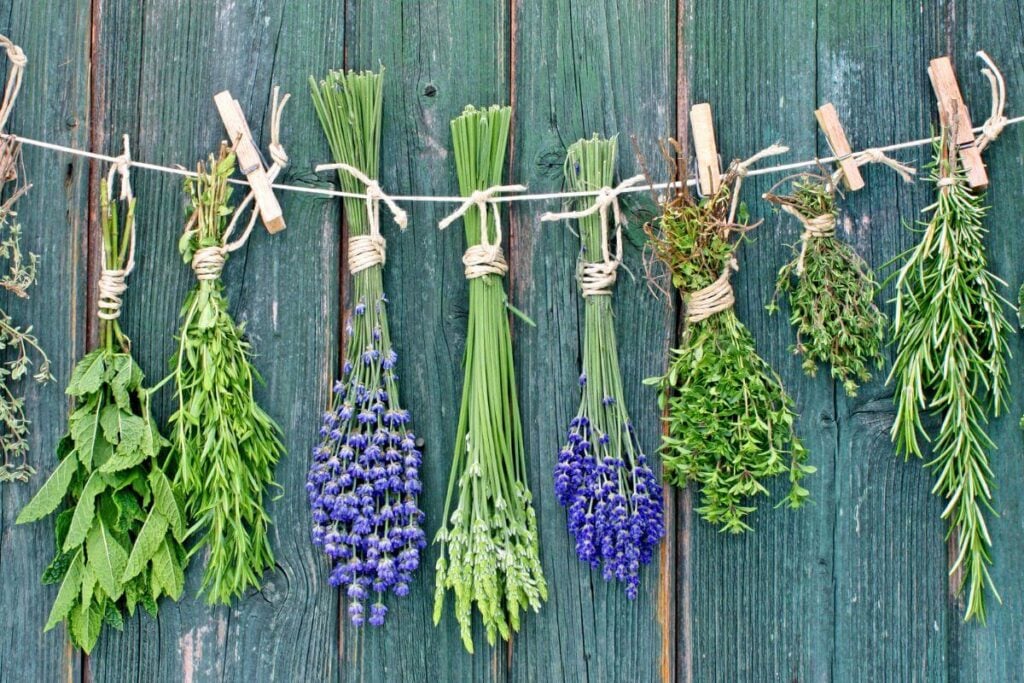
How to Dry Herbs
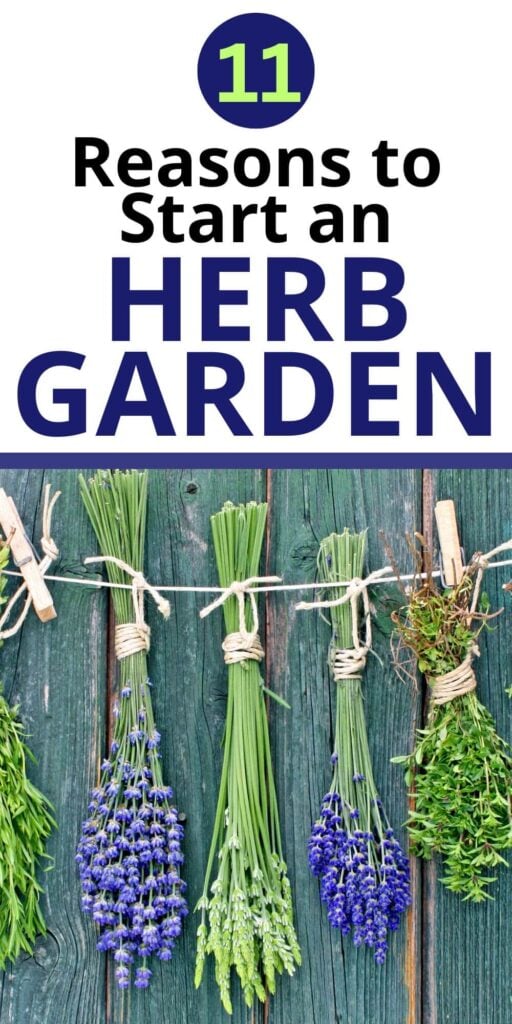
Tie small bunches of herbs together and hang them upside down in a warm, dry place. Most herbs will dry in 7 to 10 days and are ready when the leaves feel crisp.
How to Freeze Herbs
Place clean herbs in freezer-safe bags, removing as much air as possible. You can also freeze chopped herbs in ice cube trays filled with water or olive oil for easy use in cooking.
5. You Can Create Beautiful Herbal Crafts
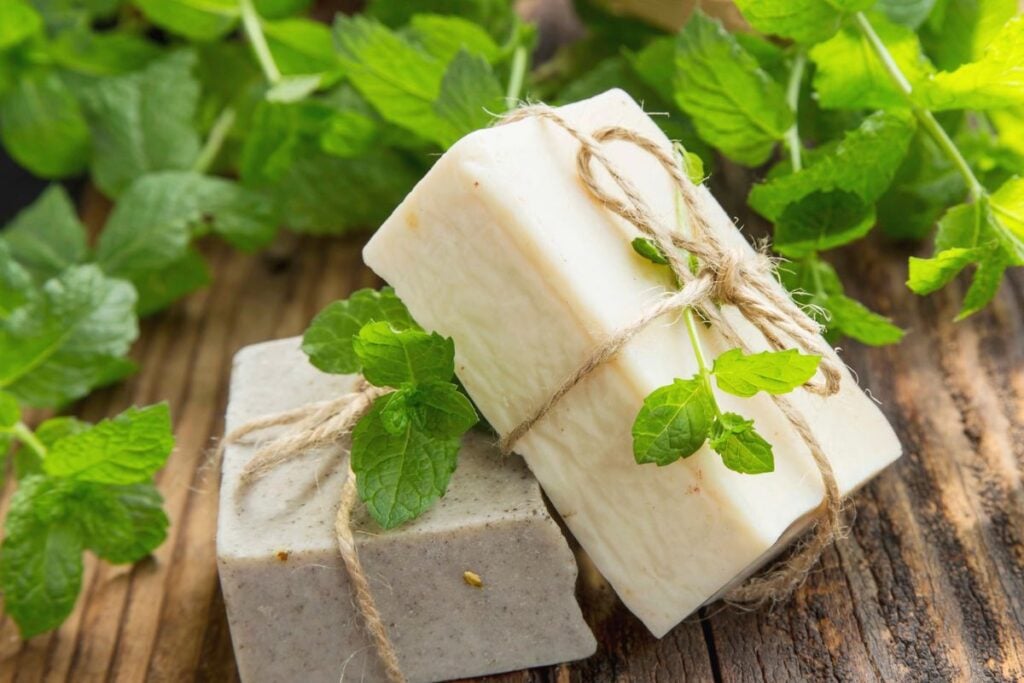
Your herb garden can do more than flavor meals – it can inspire creative projects, too. If you find yourself with an abundance of herbs, turn them into homemade gifts and cozy home essentials.
Popular herbal crafts include
- Herb wreaths
- Lavender sachets
- Simmer pots
- Bath salts
- Soaps
- Candles
- Homemade beauty products
- Infused honey
It’s a wonderful way to enjoy the beauty and fragrance of your herb garden long after the growing season ends.
6. Herbs Fill Your Home and Garden with Fragrance
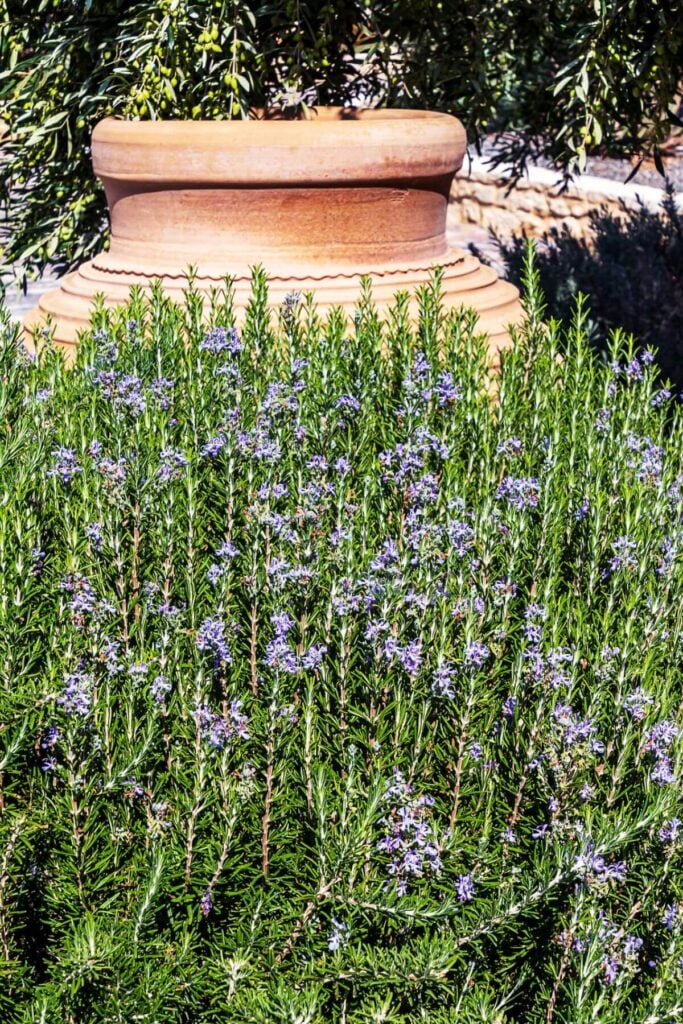
One of the most delightful benefits of growing herbs is their wonderful fragrance. There’s something magical about brushing past a rosemary or lavender plant and catching its fresh scent on the breeze.
I love snipping a few stems from the garden and arranging them in small Mason jars around the house. Fresh herbs also make beautiful wreaths, fragrant bath bundles, and natural decorations for cozy spaces.
And, of course, there’s nothing quite like the aroma of fresh herbs simmering in a pot of soup or sprinkled over a favorite recipe. Herbs don’t just add flavor, they create an experience that engages all the senses.
7. Herbs Add Beauty and Charm to the Garden
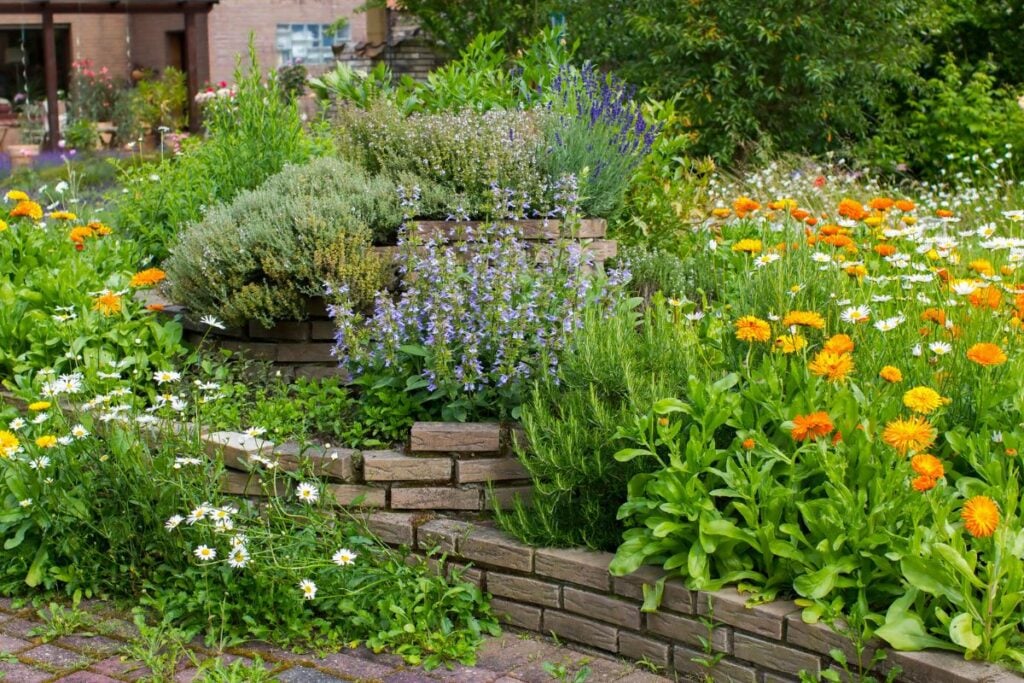
Herbs do far more than flavor your favorite recipes; they also add beauty, texture, and fragrance to the garden. From the silvery foliage of sage to the purple blooms of lavender, herbs bring a timeless cottage garden charm to any outdoor space.
I weave herbs throughout my garden beds, mixing them among flowers and ornamental plants. Some herbs can be shaped into topiaries, while others make beautiful borders and focal points. Creeping thyme is especially lovely planted between stepping stones, creating a pathway that’s as fragrant as it is beautiful.
Whether tucked into flower beds, planted in containers, or used as garden accents, herbs make every corner of the garden feel a little more magical.
8. Grow Your Own Herbal Tea Garden
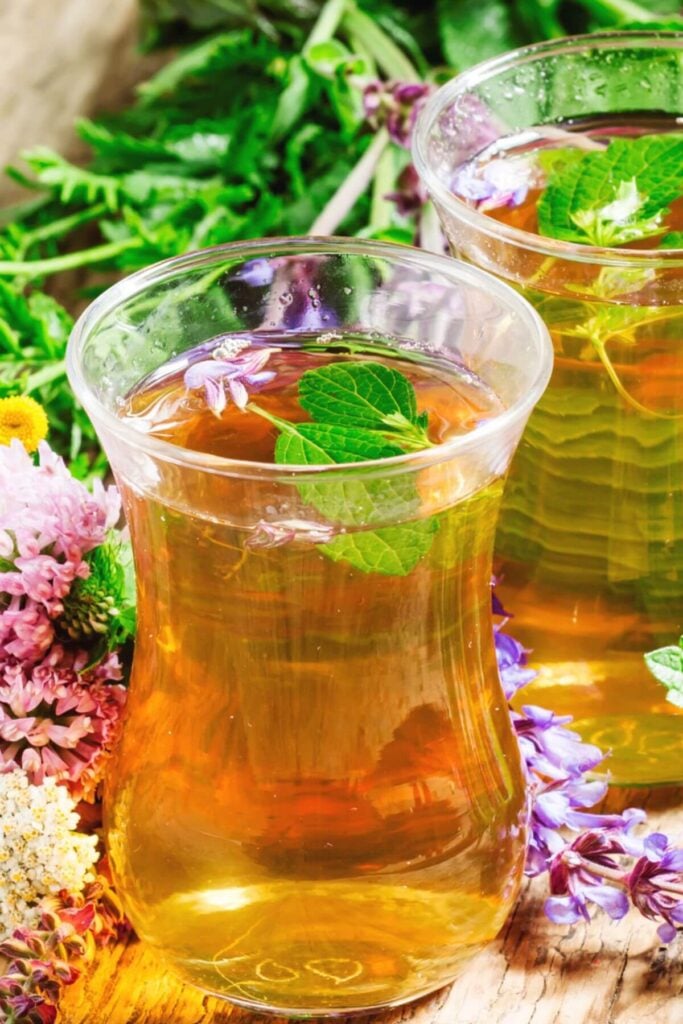
One of the most rewarding ways to enjoy herbs is by growing your own tea garden. Many popular tea ingredients, including mint, chamomile, lemon balm, lavender, and bee balm, are easy to grow and can be harvested throughout the season.
There’s something special about stepping outside, gathering a handful of fresh herbs, and brewing a cup of tea made from plants you’ve grown yourself. Not only does it save money, but it also allows you to create custom tea blends tailored to your tastes.
If you’d like to learn more, be sure to check out my guide on how to grow your own tea garden. It’s easier than most people realize. Once you start harvesting your own herbs for tea, you may never look at a tea bag the same way again.
9. Herbs Can Help Keep Pests Away
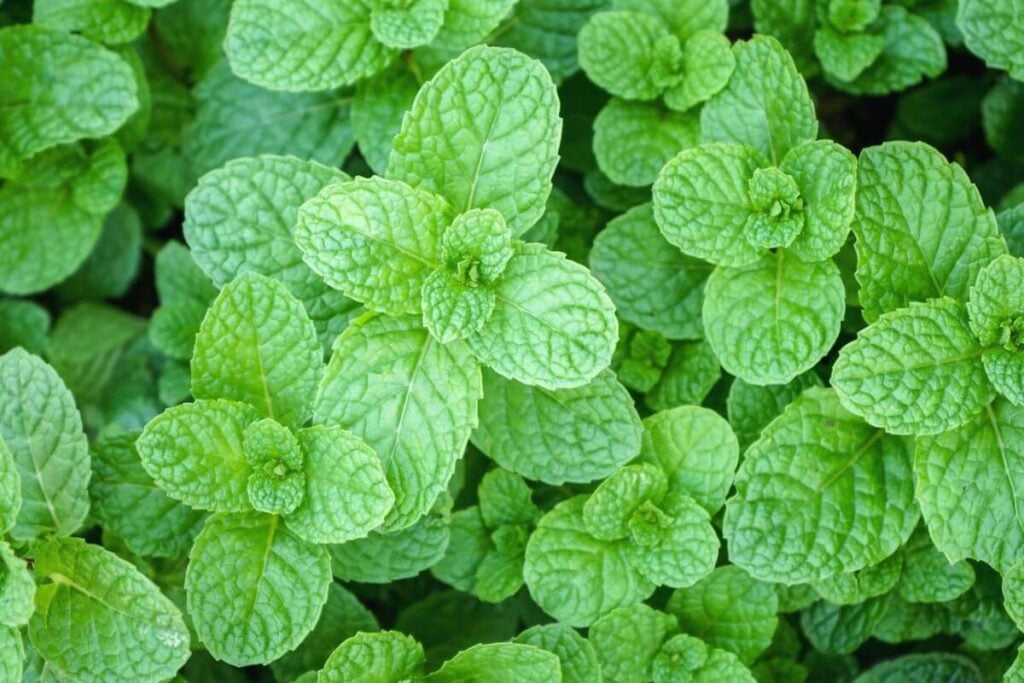
Many herbs do double duty in the garden by adding beauty while helping to deter unwanted pests. Their strong scents can make your garden less appealing to certain insects and critters, making herbs a natural companion plant for flowers and vegetables.
Mint is often used to discourage ants, flies, mosquitoes, and even rodents from frequenting an area. Rosemary can help repel insects that damage garden plants, while dill is known to attract beneficial pollinators and may help reduce problems with pests like aphids and tomato hornworms.
While herbs aren’t a magic solution, incorporating them throughout your garden can be a simple, natural way to create a healthier and more enjoyable outdoor space. Here’s a list of the best plants for natural pest control.
10. Herbs Make Thoughtful Homemade Gifts

If you’re looking for meaningful, budget-friendly gifts, your herb garden is full of possibilities. Fresh herbs can be transformed into beautiful handmade creations that friends and family will love.
Some favorite ideas include herb salts, infused vinegars, flavored honey, homemade tea blends, spice mixes, bath salts, candles, and herbal soaps. Package them in pretty jars or baskets, and you’ll have a gift that feels both personal and practical.
There’s something special about sharing a gift made from herbs you’ve grown yourself. It’s a simple way to share a bit of your garden with the people you care about.
11. There’s an Herb for Every Garden
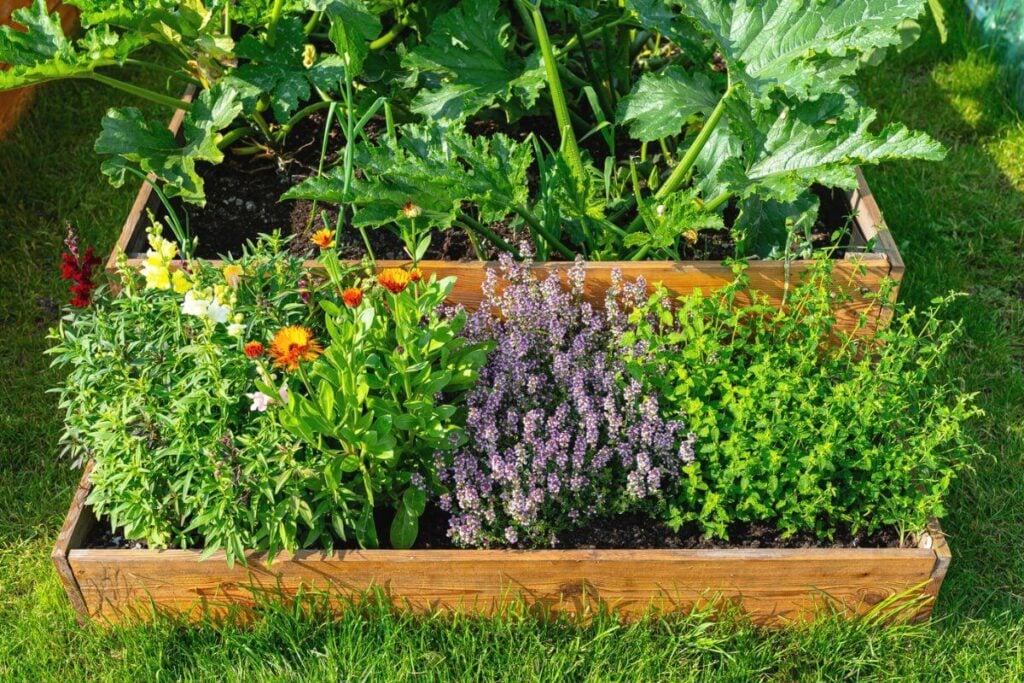
One of the joys of growing herbs is discovering the incredible variety available. Whether you’re looking for culinary herbs, fragrant flowers, medicinal plants, or pollinator favorites, there’s an herb to suit every garden style and growing space.
Popular choices include basil, rosemary, thyme, sage, oregano, dill, parsley, cilantro, chives, mint, lavender, chamomile, lemon balm, and bee balm. Adventurous gardeners can also grow unique herbs such as lovage, borage, fennel, stevia, lemon verbena, turmeric, ginger, and yarrow.
With so many options to choose from, you can create an herb garden that reflects your own interests – whether that’s cooking, tea making, natural crafts, pollinator gardening, or simply enjoying beautiful and fragrant plants.
Whether you’re growing herbs in raised beds, containers, or a sunny kitchen window, an herb garden is one of the simplest ways to add beauty, fragrance, and fresh flavor to everyday life. Start with just a few favorite herbs and you’ll quickly discover why so many gardeners never stop adding to their collection.
Be sure you join our Cozy Living Group on Facebook. You’re not going to believe how amazing it is!
I created a pin for you below to add to your gardening board on Pinterest so you never lose this article.
You can follow me here on PINTEREST.
Let me know in the comments below if you have your own herb garden and what your favorite plants are.
More Herb Gardening Ideas You’ll Love
- How to Grow a Mint Garden
- How to Store Mint: Freezing, Drying, and Storing Mint
- The Best Varieties of Mint to Grow
- Gardening for Beginners – Tips and Tricks from Seasoned Gardeners



One Comment