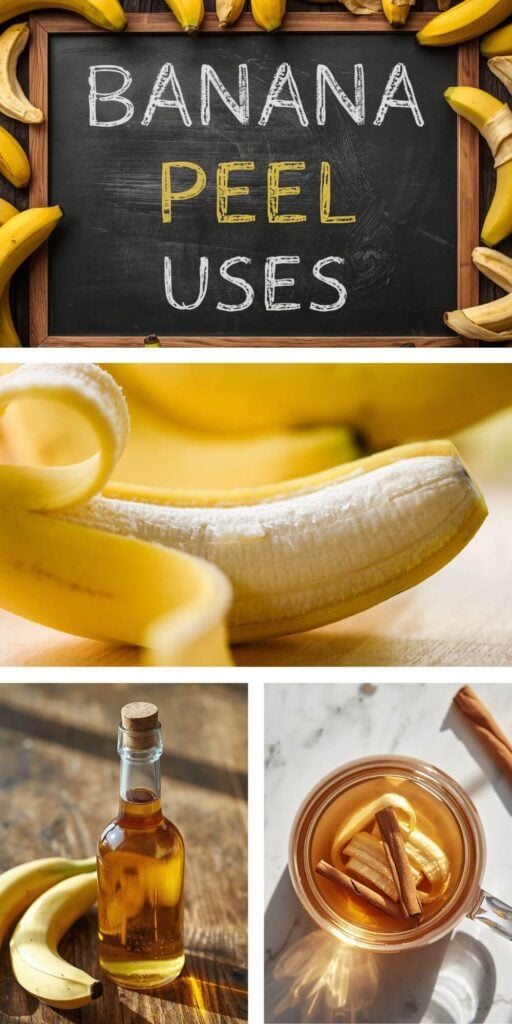
35 Creative Banana Peel Uses
Banana Peel Uses go far beyond the compost pile and may surprise you with how practical they are around the home and garden. Instead of throwing them away, banana peels can be used for everything from natural fertilizer to simple DIY beauty treatments. If you’re looking for more ways to reduce waste, What to do with Strawberry Stems and What to do with Orange Peels will help you in your journey.
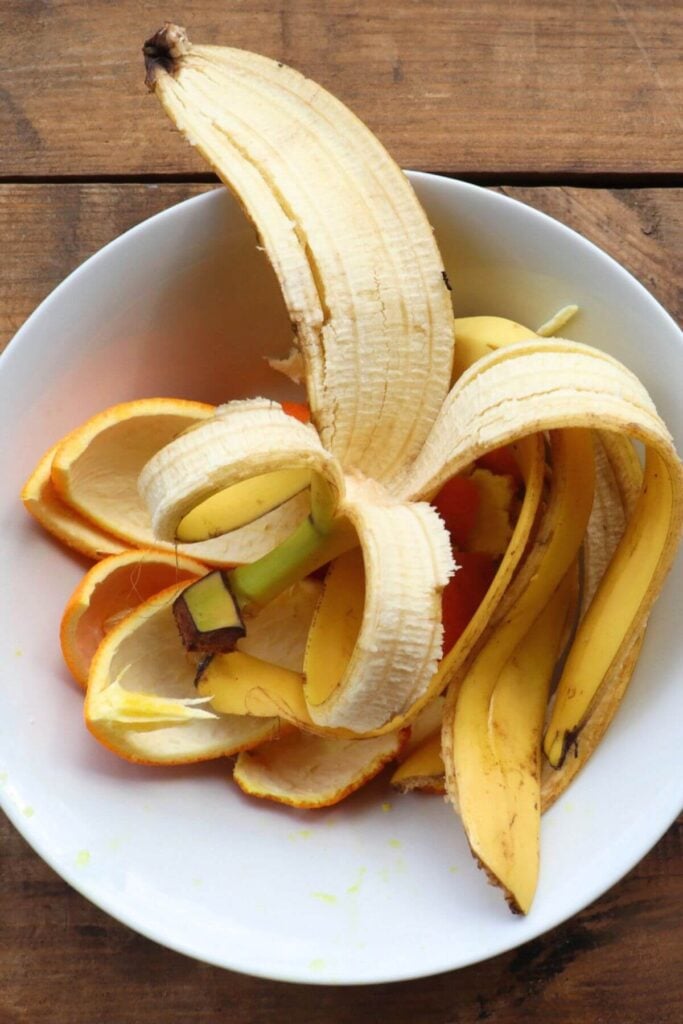
35 Creative Banana Peel Uses
Quick Answer
Banana peels can be used in the garden as fertilizer, compost, and plant food. They’re also useful in the kitchen for tea, smoothies, vinegar, and plant-based recipes. Around the home, banana peels can polish houseplants, clean metal fixtures, freshen garbage disposals, and even be used in simple DIY beauty routines.
From nourishing your garden to creating natural household cleaners and trying surprisingly delicious recipes, banana peels are far more useful than most people realize. Whether you’re lookin for zero-waste ideas, frugal living tips, or creative ways to reduce food waste, these banana peel uses will help you make the most of every banana.
For generations, people have found creative uses for banana peels, including cleaning, gardening, cooking, and even household beauty routines. The peels are rich in nutrients and natural oils, making them useful for everything from polishing plant leaves to enriching compost.
Banana peels have also become popular in natural living and zero-waste households because they help stretch ingredients a little further, rather than sending them straight to the trash. Whether you enjoy old-fashioned household tips, sustainable living ideas, or creative kitchen hacks, these banana peel uses offer plenty of clever ways to make the most of something most people throw away.
Why Buy Organic Bananas?
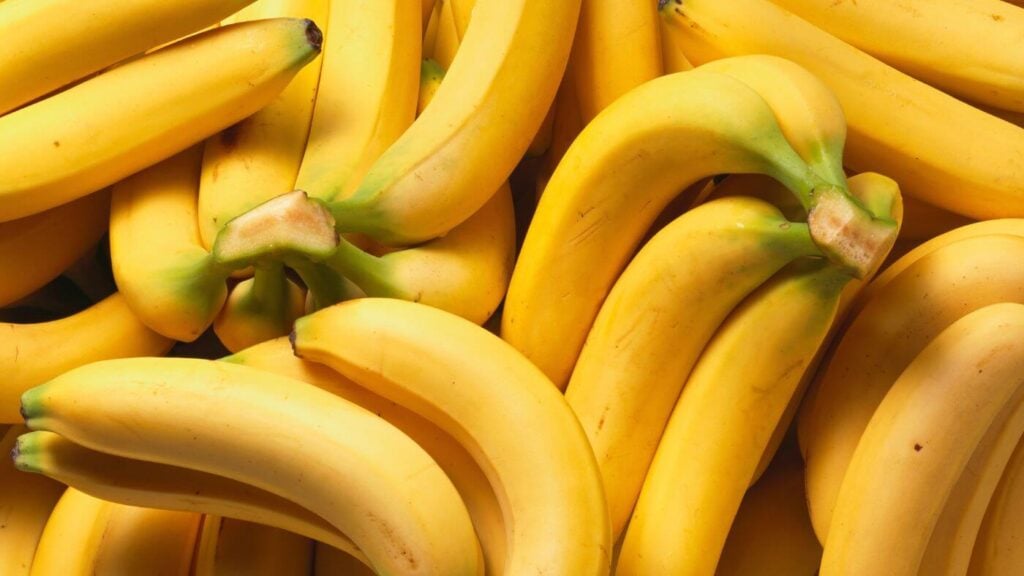
If you plan to use leftover banana peels in recipes, homemade beauty products, or around your garden, it’s a good idea to choose organic bananas whenever possible. Banana peels are the part most exposed to pesticides, waxes, and chemical treatments during growing and shipping. Because of this, organic peels are often preferred for recipes, beauty products, and natural gardening methods.
1. Garden Uses
Using leftover peels in the garden is one of the easiest ways to turn kitchen scraps into something useful for your plants. If you love frugal gardening ideas and reducing waste, banana peel fertilizer is a simple, old-fashioned trick worth trying.
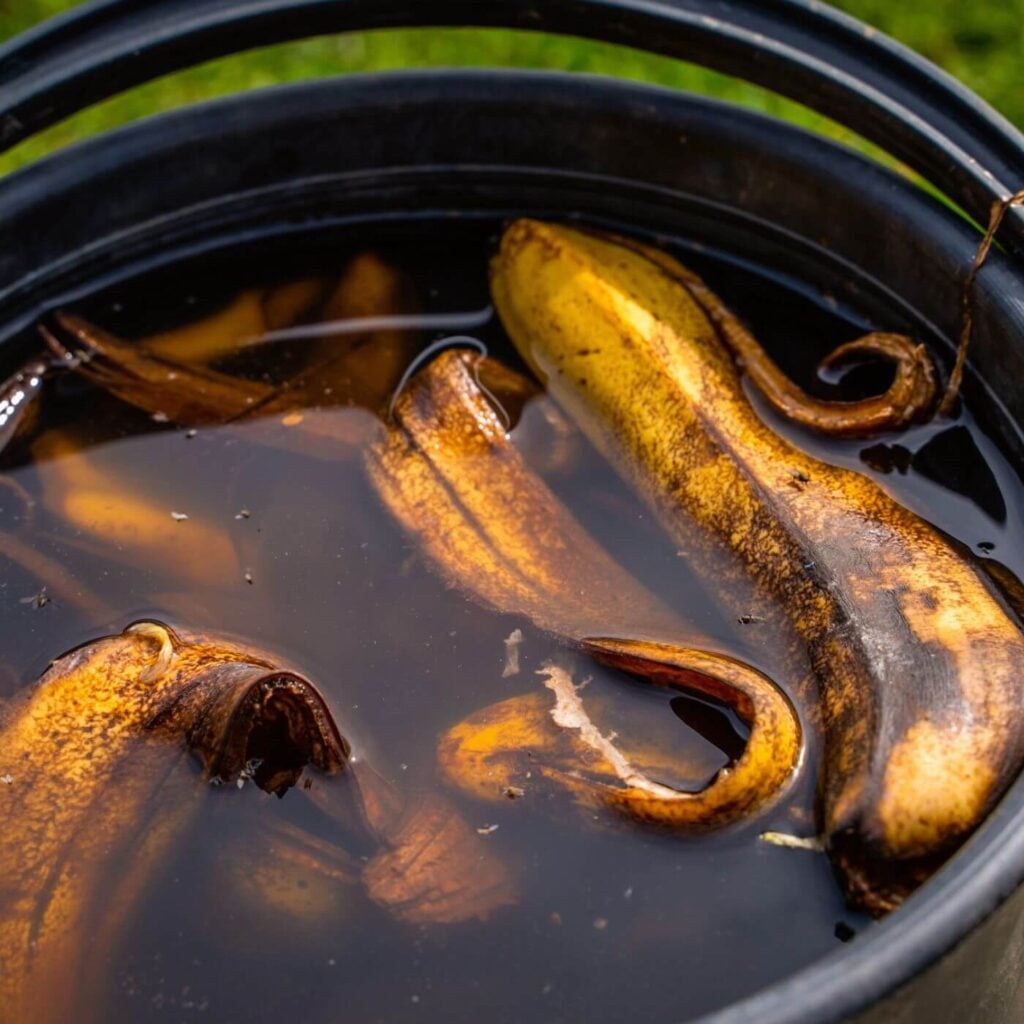
Banana Peel “Tea” for Plants
Banana peel tea is a simple, homemade garden fertilizer made by soaking banana peels in water for a day or two to release nutrients, such as potassium, into the water. Once strained, banana peel water can be poured around flowers, vegetables, houseplants, and container plants as a natural way to support healthy growth and reduce kitchen waste.
Natural Soil Fertilizer
These nutrient-rich peels contain potassium, phosphorus, and calcium. This makes them an easy, natural way to feed your soil. Just chop them up and mix directly into the dirt around plants.

Boost Rose Blooms
Gardeners have long tucked banana peels near rose bushes because the potassium helps encourage fuller blooms and stronger stems.
Tomato Plant Support
Tomatoes love potassium, and adding chopped peels to the soil can help improve fruit development and overall plant health.
Aphid Deterrent Trick
Some gardeners swear that burying banana peels near plants helps deter aphids, possibly because the compounds released as they decompose repel aphids.
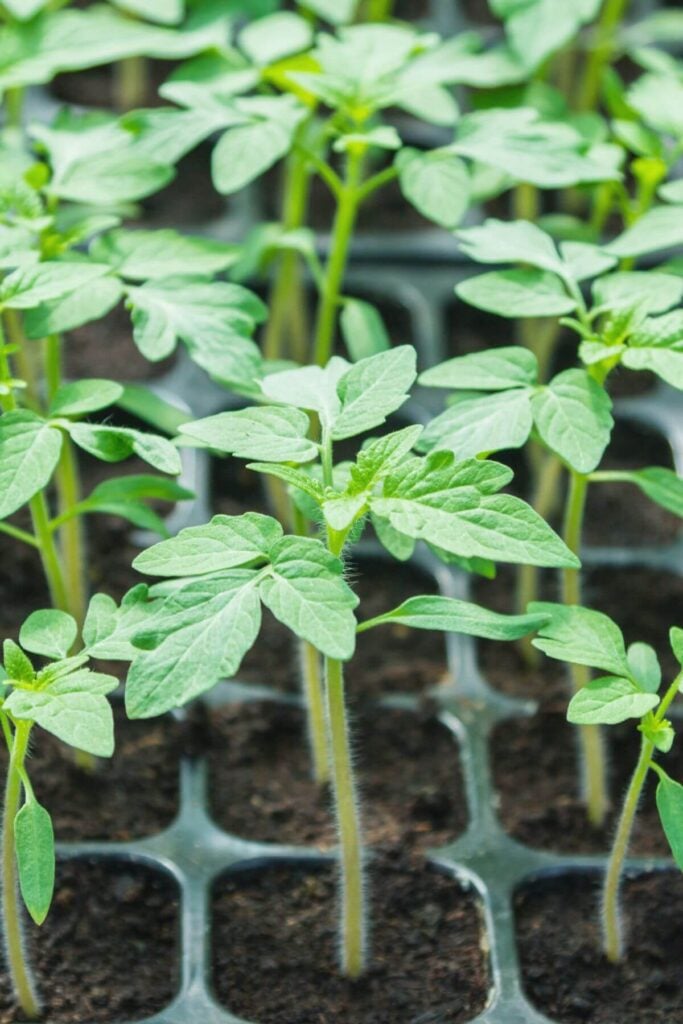
Seedling Starter Boost
Adding a small piece of banana peel under the soil when planting seedlings gives young plants an early nutrient advantage.
Worm Bin Favorite
If you keep a worm bin, leftover peels are a favorite food for worms, helping them produce nutrient-rich castings for your garden.
Dry & Grind Fertilizer Powder
Dry banana peels and grind them into a powder you can sprinkle around plants for a more concentrated, easy-to-store fertilizer.
Feed Chickens (In Moderation)

Banana peels can be fed to chickens in moderation as a nutrient-rich treat, but they should be chopped or softened for easier eating and offered only occasionally alongside a balanced diet.
2. Kitchen and Cooking Uses
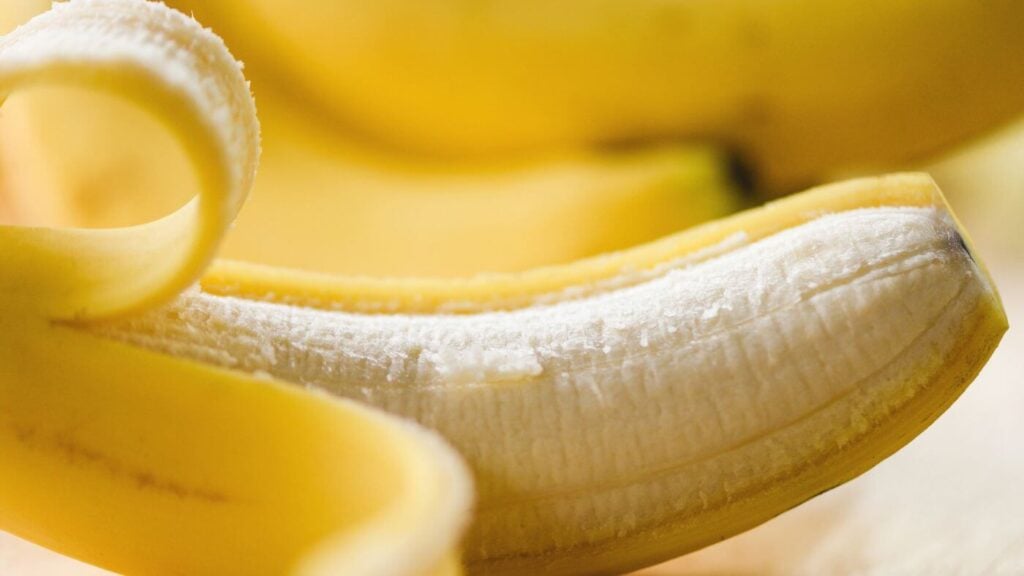
This often-overlooked kitchen scrap is becoming increasingly popular in the kitchen as creative cooks discover flavorful, frugal, and surprisingly versatile ways to use every part of the fruit instead of letting it go to waste.
Stir-Fry Ingredient
Thinly sliced banana peels can be sautéed with garlic, soy sauce, and vegetables, adding a mild flavor and tender texture to quick stir-fries.
Add to Smoothies
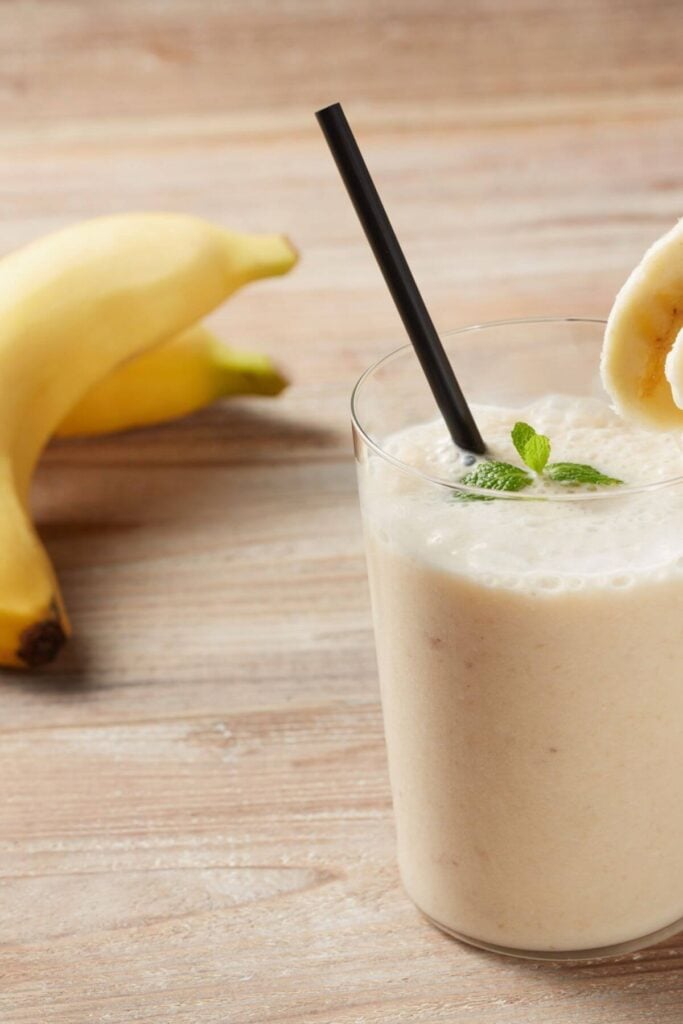
Blending small amounts of banana peel into smoothies adds fiber and nutrients, and when paired with ripe fruit, the flavor blends in seamlessly.
Candied Banana Peels
Boiled and simmered in sugar, banana peels can be transformed into sweet, chewy strips that taste similar to candied citrus peel.
Caramelized Banana Peel Powder
Caramelized banana peel powder is made by slowly baking or pan-caramelizing cleaned banana peels until deeply golden and crisp, then grinding them into a flavorful powder that can be added to oatmeal, baked goods, or coffee drinks for a rich caramel-like flavor. You can find out how to make this powder here.
Brew Banana Peel Tea
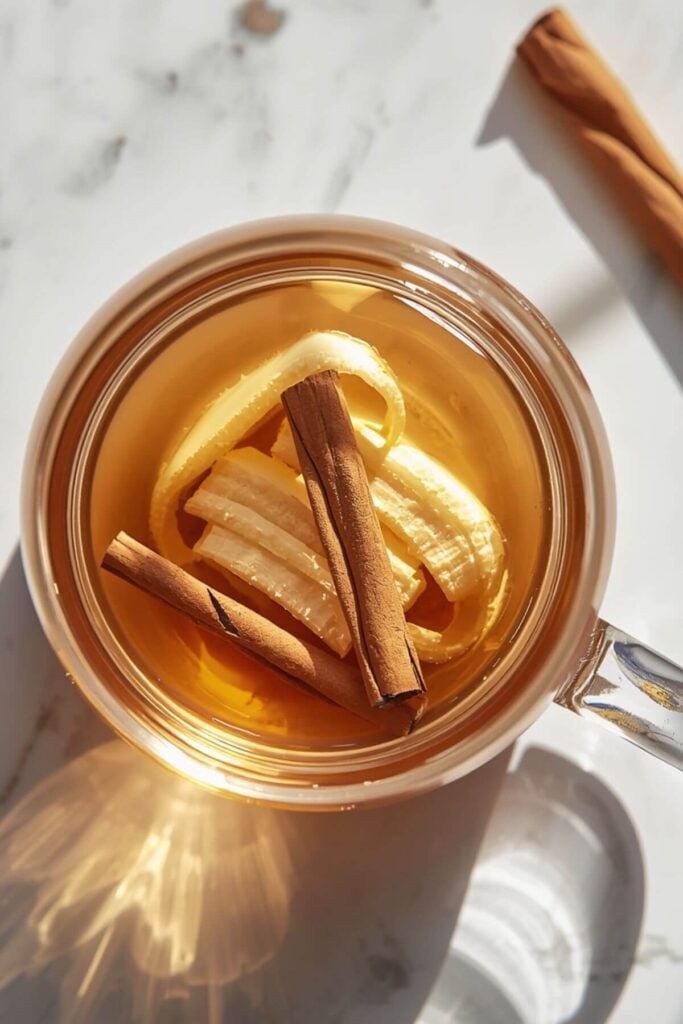
Steeping banana peels in hot water creates a mild, soothing tea that’s often enjoyed as a cozy evening drink. You can find out how to make it here.
Banana Peel Bacon
Banana peel bacon is made by marinating strips of banana peel in smoky, savory seasonings before baking or pan-frying them until crisp, creating a surprisingly flavorful plant-based twist on traditional bacon.
Banana Peel Pulled “Pork”
Banana peel pulled pork is a creative plant-based recipe that uses shredded banana peels, cooked with smoky barbecue-style seasonings to achieve a surprisingly tender texture similar to traditional pulled pork. Here’s a recipe that looks delicious.
Banana Peel Vinegar
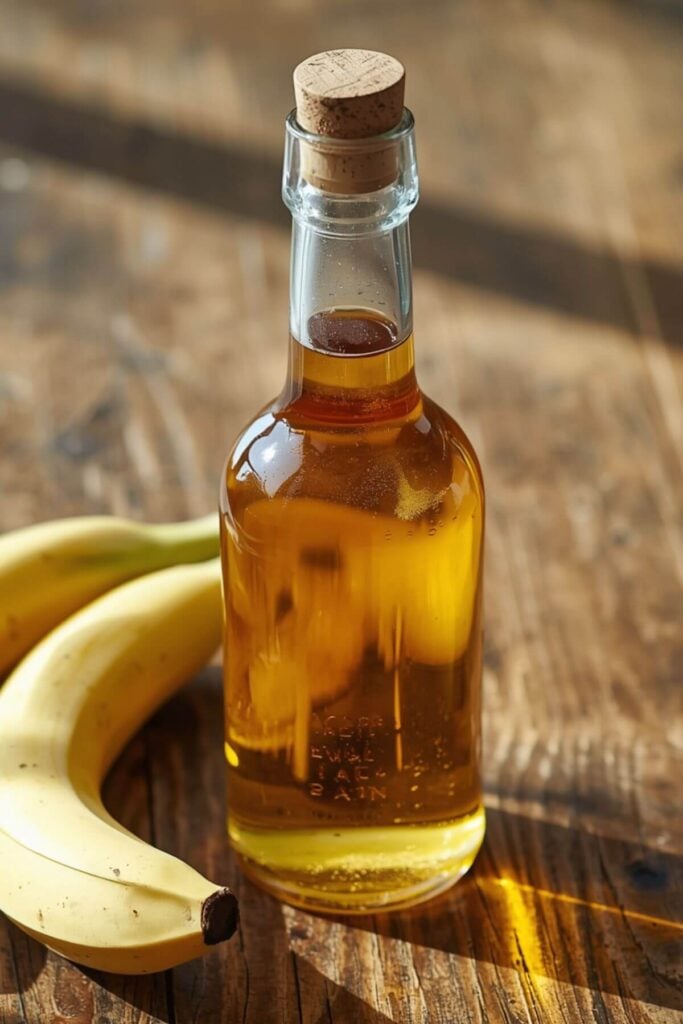
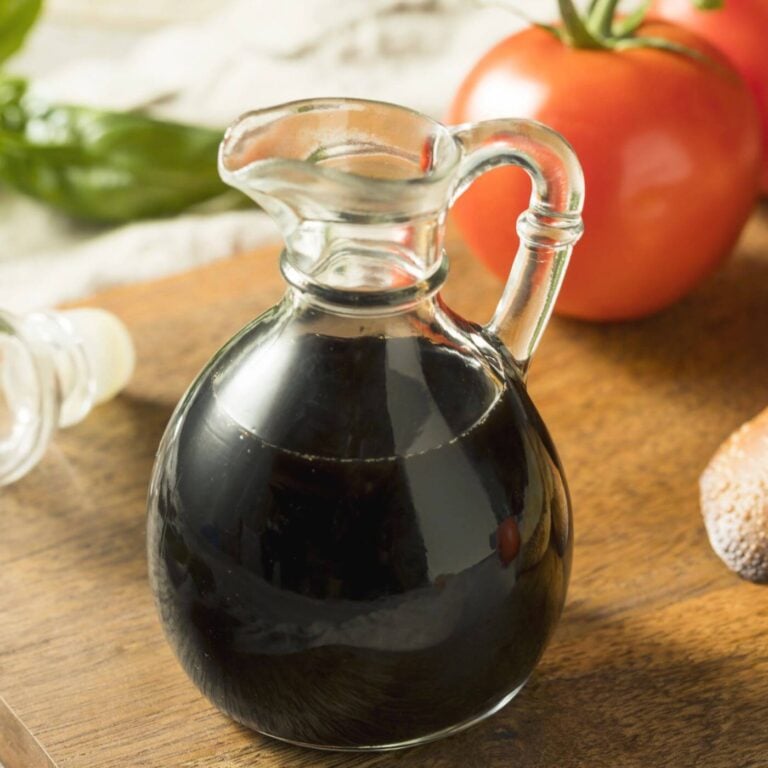
Fermenting banana peels creates a mild, slightly sweet vinegar that can be used in dressings, marinades, or cozy homemade kitchen staples. Here’s a recipe to make banana peel vinegar.
Banana Peel Curry
Banana peel curry is a flavorful zero-waste recipe that simmers tender banana peels in rich spices, coconut milk, and savory seasonings, creating a comforting, surprisingly delicious plant-based meal.
Keeps Roasts Moist
Lying banana peels over a roast in the oven helps trap moisture, an old-fashioned trick for preventing meat from drying out.
3. Cleaning & Household Hacks
Banana peels have long been used in natural cleaning routines and old-fashioned household hacks thanks to their surprisingly useful texture, oils, and versatility.
Polish Silver Naturally
Rubbing the inside of a banana peel on tarnished silver helps lift the dullness, leaving pieces looking brighter with a quick buff from a soft cloth. It works best as a gentle polish rather than a deep cleaner.
The inside of a banana peel contains natural oils, potassium, and mild acids that can help neutralize oxidation on silver surfaces. It won’t restore heavily tarnished antique silver the way a dedicated silver polish will. It can leave a slight residue if you don’t buff thoroughly afterward.
If you want to try it:
- Use the inside of a ripe banana peel.
- Rub gently in a circular motion.
- Let it sit for a minute or two.
- Rinse and dry.
For valuable antiques or heirloom silver, it’s safer to use a polish specifically made for silver to avoid scratching or uneven cleaning.
Clean Houseplant Leaves
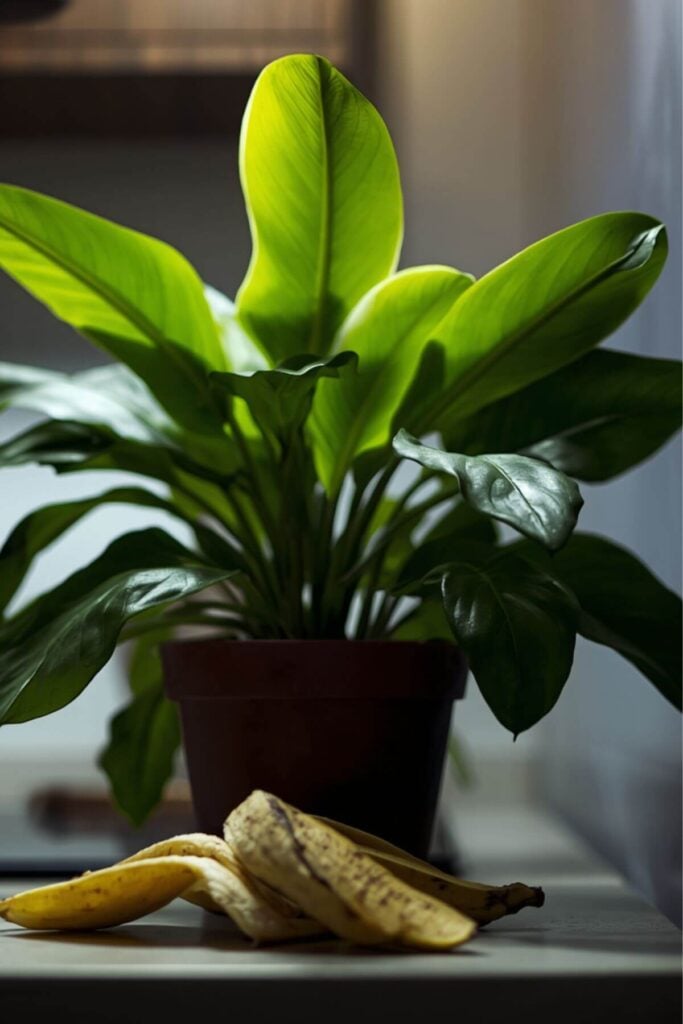
Wipe the inside of a peel across dusty leaves to remove buildup and give plants a healthy, natural shine without chemicals.
Freshen Garbage Disposal
Drop small pieces of banana peel into the disposal and run it briefly to help freshen and reduce odors.
Polish Faucets and Fixtures
Rub the inside of the peel over metal fixtures, then wipe clean to reduce water spots and leave a subtle shine.
4. Beauty & Self Care
Many people use the inside of the peel in homemade self-care routines as a natural and budget-friendly way to incorporate simple beauty practices into everyday life.
Natural Skin Glow Treatment
Rubbing the inside of a banana peel on your face can help hydrate and refresh skin, leaving it with a soft, natural glow.
Soothe Bug Bites
Pressing a banana peel against bug bites can help reduce itching and discomfort in a quick, old-fashioned way.
Teeth Whitening Trick
Rubbing banana peel on teeth for a minute or two is a popular natural method people use to gently brighten their smile over time.
Reduce Under-Eye Puffiness
Place a chilled banana peel under your eyes to help soothe puffiness and tired-looking skin.
Moisturize Dry Skin
The inside of a peel acts like a light, natural moisturizer, especially helpful for dry patches on hands, elbows, or face.
Soothe Minor Burns or Sunburn
Banana peels can feel cooling on the skin and are often used as a gentle, calming remedy for mild sun exposure.
Calm Itchy Skin or Rashes
Rubbing banana peel on irritated areas can help soothe itchiness thanks to its natural, skin-friendly properties.
5. Unexpected & Old-Fashioned Uses
Natural Fire Starter
Dried peels can be used as a simple fire starter, catching flame and adding to a cozy, self-sufficient routine.
Make Natural Fabric Dye
Banana peels can be simmered to create a soft, earthy dye, perfect for old-fashioned crafting and natural home projects.
Frequently Asked Questions
Can you eat banana peels?
Yes. Banana peels are edible and are commonly eaten in many parts of the world. Wash them thoroughly before using them in recipes, and choose organic bananas whenever possible to reduce exposure to pesticides and waxes. They can be blended into smoothies, brewed into tea, or cooked into savory dishes.
Are banana peels good for plants?
Yes. Banana peels contain nutrients like potassium, phosphorus, and calcium that can benefit garden soil. They can be composted, chopped into the soil, made into banana peel tea, or dried and ground into fertilizer powder to help nourish plants.
Can you compost banana peels?
Absolutely. Banana peels break down quickly and are an excellent addition to compost piles or worm bins. They add valuable organic matter and nutrients that help create rich compost for your garden.
How long do banana peels take to decompose?
Banana peels typically decompose in about 2 to 5 weeks in a well-maintained compost pile. If left on the ground, decomposition may take several months depending on temperature, moisture, and soil conditions.
Can banana peels be frozen?
Yes. Free banana peels in a freezer-safe bag until you’re ready to use them in smoothies, fertilizer, compost, or recipes. Freezing is a great way to save peels if you don’t plan to use them right away.
Can dogs eat banana peels?
While banana peels aren’t toxic to dogs, they can be difficult to digest because they’re high in fiber. It’s generally best to feed your dog the banana fruit instead. If your dog eats a large amount of banana peel, watch for signs of digestive upset and contact your veterinarian if needed.
If you’re looking for ideas on what to do with bananas, Moist Banana Bread with Pecans is the perfect recipe to create a cozy morning at home.
The next time you enjoy a banana, think twice before tossing the peel into the trash. From nourishing your garden and creating natural fertilizer to trying creative recipes, homemade beauty treatments, and old-fashioned household tricks, there are countless banana peel uses that give this everyday kitchen scrap a second life.
It’s a simple way to reduce food waste, save money, and discover practical ideas that make your home and garden a little bit more sustainable. You may never look at leftover banana peels the same way again!
Let me know in the comments what your favorite idea was from this list.
Be sure to join the Creating a Cozy Life Group on Facebook. You’re not going to believe how amazing it is!
I created a pin for you below to add to your food waste board on Pinterest so you can refer back to this article.
You can find me on Pinterest, Facebook, and Instagram.
More Leftover Ingredient Ideas You’ll Love
- How to Use Leftover Potato Peels
- What to do with Leftover Broccoli Stems
- How to Use Basil Leaves
- What to do with Mint Leaves